vendredi 3 juillet 2026

The Art of Soup and Stew Mastery: Crafting Comfort in Every Bowl

The Art of Soup and Stew Mastery: Crafting Comfort in Every Bowl

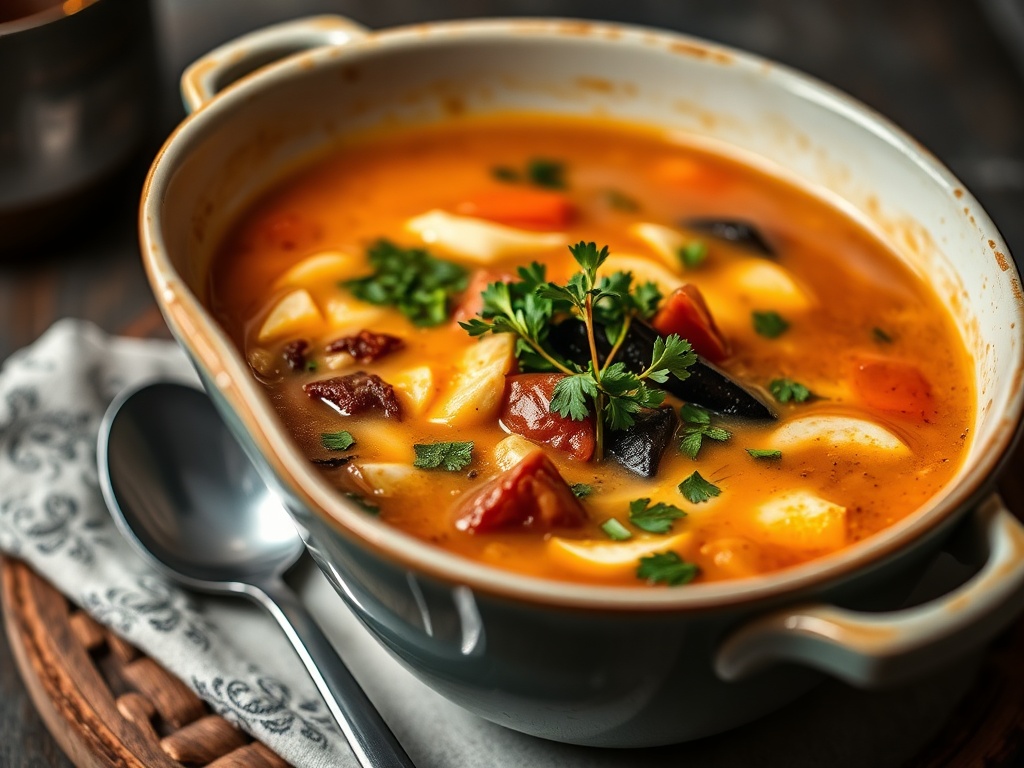
There's an undeniable magic in a steaming bowl of soup or a hearty stew. More than just a meal, these dishes represent warmth, comfort, and the very essence of home cooking. From ancient cauldrons bubbling over open fires to modern slow cookers simmering gently on kitchen counters, soups and stews have nourished humanity for millennia. They are a testament to culinary resourcefulness, transforming simple ingredients into complex, satisfying flavors. Mastering the art of soup and stew isn't just about following a recipe; it's about understanding the foundational principles that turn humble components into culinary masterpieces. Join us on a journey to unlock the secrets behind truly exceptional soups and stews, elevating your cooking from good to gourmet.

The Foundation: Building Flavor from Scratch

The true heart of any exquisite soup or stew lies in its foundational flavors, built patiently and purposefully from the very first sizzle in the pot. This initial stage is where complexity and depth begin to develop, setting the stage for the entire dish. It all starts with aromatics – the unsung heroes of countless recipes. Think of the classic French mirepoix (onions, carrots, celery), the Italian soffritto (often adding garlic and sometimes bell peppers), or the Cajun "holy trinity" (onions, celery, green bell peppers). Sautéing these diced vegetables gently in a good quality fat, such as olive oil, butter, or even rendered bacon fat, allows their natural sugars to caramelize and their essential oils to release, creating a fragrant base that permeates every spoonful. This process is about coaxing out their sweetness and savory notes, not just cooking them until soft.

Beyond aromatics, the Maillard reaction is your best friend when incorporating proteins. Browning meats like beef, lamb, or chicken pieces until they develop a rich, deep crust isn't merely for aesthetics; it creates hundreds of new flavor compounds that are impossible to achieve otherwise. This chemical reaction adds incredible depth, umami, and a savory richness that will transform your stew from merely good to truly unforgettable. Once the meat is browned and removed, the flavorful bits stuck to the bottom of the pot – known as "fond" – are priceless. Deglazing the pan with a splash of wine, stock, or even water, scraping up these caramelized fragments, incorporates their intense flavor back into your dish, ensuring no deliciousness is left behind. This careful layering of flavors from the very beginning is what separates a truly masterful soup or stew from a merely adequate one, providing a robust backbone that supports every subsequent ingredient.

Broth and Stock: The Soul of Your Pot

At the core of every remarkable soup or stew lies its liquid foundation: the broth or stock. Often used interchangeably, these two have distinct characteristics that profoundly impact the final dish. Stock, typically made from roasted bones (beef, chicken, fish) simmered with aromatics for many hours, is rich in gelatin, lending a luscious mouthfeel and body. It's the culinary architect's secret weapon, providing a robust, savory backdrop without overpowering other ingredients. Broth, on the other hand, is usually made from simmering meat, vegetables, or a combination, often for a shorter period, resulting in a lighter, more delicate flavor profile that can be enjoyed on its own. While store-bought options offer convenience, nothing compares to the depth, purity, and nutritional superiority of homemade broth or stock.

Crafting your own stock is a transformative experience, allowing you to control sodium levels and avoid artificial additives. For a rich bone stock, roasting the bones first deepens their flavor. Combine them with a generous mirepoix, bay leaves, peppercorns, and cold water, then bring to a gentle simmer. The key is patience; a low, slow simmer for several hours (4-6 for chicken, 8-12 for beef) extracts maximum flavor and gelatin. Skim any foam that rises to the surface during the initial stages to ensure a clear, clean-tasting stock. This homemade liquid gold will elevate any soup, stew, or sauce it touches, providing an unparalleled base that is both nourishing and incredibly flavorful. Once you've experienced the difference, you'll find it hard to go back to store-bought alternatives, as the soul it imparts to your cooking is simply irreplaceable.

  • Bone Broth Benefits: Rich in collagen, gelatin, and amino acids, bone broth is lauded for its potential to support gut health, joint function, and skin elasticity, making it a nutritious powerhouse.
  • Vegetable Stock Versatility: An excellent choice for vegetarian and vegan dishes, homemade vegetable stock offers a clean, vibrant flavor base without any animal products, perfect for lighter soups or risottos.
  • Simmering Techniques: Always maintain a gentle simmer, never a rolling boil, which can emulsify fats, make the stock cloudy, and extract bitter flavors from the bones and vegetables.
  • Storing Homemade Stock: Once cooled, portion your stock into freezer-safe containers or ice cube trays. It keeps well in the refrigerator for up to 5 days and in the freezer for several months, ready for your next culinary creation.

Thickening Techniques: Achieving the Perfect Consistency

The consistency of a soup or stew is as crucial as its flavor, contributing significantly to its overall appeal and mouthfeel. Achieving that perfect, velvety texture, whether it's a hearty stew that clings to a spoon or a silky, smooth soup, requires understanding various thickening techniques. One of the most classic and versatile methods is the roux, a cooked mixture of equal parts fat (butter, oil, or rendered drippings) and flour. The longer a roux is cooked, the darker it becomes, developing a nuttier flavor while losing some of its thickening power. A white roux is ideal for creamy soups like béchamel-based dishes, a blonde roux for gravies, and a darker brown roux for gumbos, providing a deep, rich flavor and color. Adding hot liquid to a cold roux, or vice versa, while whisking vigorously, prevents lumps.

For a lighter, often gluten-free option, a slurry is an excellent choice. This involves whisking a small amount of cornstarch or arrowroot powder with an equal amount of cold liquid (water or stock) until smooth, then slowly whisking it into your simmering soup or stew towards the end of cooking. Slurries thicken quickly and provide a clear, glossy finish, making them perfect for Asian-inspired broths or fruit sauces. Another natural and highly flavorful way to thicken is by pureeing. Vegetables like potatoes, squash, carrots, or beans, when cooked until tender and then blended, add body and richness without the need for added flour or starch. This method also enhances the nutritional value and flavor profile of your dish. For a more intensive thickening, reduction involves simply simmering your liquid until it evaporates and concentrates, naturally intensifying flavors and thickening the consistency. Finally, a beurre manié – kneaded butter and flour – can be whisked into simmering liquids at the end for a quick, lump-free thickening, often used for pan sauces or last-minute adjustments. Mastering these techniques allows you to control the texture and body of your creations, ensuring every spoonful is exactly as intended.

The Ingredient Dance: Balance and Harmony

Beyond the foundational liquid and thickening agents, the true artistry in soup and stew mastery lies in the harmonious interplay of ingredients. Each component plays a vital role, contributing not only flavor but also texture, color, and nutritional value. The choice of protein is paramount and should align with the desired cooking time and flavor profile. Hearty cuts of beef like chuck or short ribs are perfect for long, slow-cooked stews, becoming incredibly tender and flavorful. Chicken thighs offer rich flavor and hold up well to simmering, while delicate fish or seafood should be added towards the end to prevent overcooking. For vegetarian options, lentils, chickpeas, or substantial mushrooms can provide satisfying body and protein.

Vegetables are the vibrant soul of any soup or stew, offering a kaleidoscope of colors, textures, and nutrients. Root vegetables such as carrots, potatoes, parsnips, and turnips provide earthy sweetness and absorb flavors beautifully during longer cooking times. Leafy greens like kale or spinach should be added closer to the end to maintain their texture and bright color. Consider textural contrast: chunky vegetables for a rustic stew, finely diced for a smoother soup. Grains and starches, including rice, pasta, barley, or even crusty bread, add substance and absorb the flavorful broth, turning a simple liquid into a more substantial meal. Adding these at the right time is crucial; pasta, for example, can become mushy if cooked too long in the pot.

Herbs and spices are the flavor architects, capable of transforming a bland dish into an aromatic symphony. Dried herbs like bay leaves, thyme, and oregano are best added early in the cooking process to allow their flavors to fully infuse. Whole spices, such as star anise or cinnamon sticks, can be toasted before adding to deepen their aroma. Fresh herbs like parsley, cilantro, dill, or chives, on the other hand, should be stirred in just before serving to preserve their vibrant color and delicate fragrance. Finally, don't underestimate the power of acid. A squeeze of lemon juice, a splash of vinegar, or the addition of tomatoes can cut through richness, brighten flavors, and awaken the palate, creating a perfectly balanced and unforgettable culinary experience. The careful selection and timing of these ingredients elevate a dish from mere sustenance to a truly artful creation.

Mastering the Simmer: Patience and Perfection

The journey to soup and stew mastery culminates in the patient art of simmering. This seemingly simple step is where all the individual flavors meld, where tough cuts of meat transform into tender morsels, and where the liquid base absorbs the essence of every ingredient. A true simmer is characterized by gentle bubbles occasionally breaking the surface, not a rolling boil. A high heat can toughen proteins, break down delicate vegetables into mush, and lead to evaporation that concentrates flavors too quickly or results in a cloudy broth. Low and slow is the mantra here, allowing flavors to deepen and intermingle harmoniously over time.

Throughout the simmering process, attention to detail is key. Skimming any foam or impurities that rise to the surface, particularly in the early stages of making stock or cooking meat, ensures a clean, clear, and pure-tasting result. Similarly, gently skimming excess fat, especially from richer stews, can prevent a greasy mouthfeel and allow the true flavors to shine through. Seasoning is another crucial element that unfolds over time. While an initial pinch of salt can draw out flavors from aromatics, the bulk of your seasoning should be done in layers, tasting and adjusting as the soup or stew develops. The liquid will reduce, concentrating salt and spices, so it's always better to under-season and adjust at the end than to over-season early on.

For stews, a resting period after cooking can be transformative. Just like a roasted chicken, allowing a stew to rest off the heat for 10-15 minutes, or even refrigerating it overnight, gives the flavors a chance to fully meld and deepen, and allows the meat to relax and reabsorb its juices, resulting in an even more tender and flavorful experience. Finally, the finishing touches elevate a humble pot to a gourmet delight. A swirl of fresh cream, a sprinkle of vibrant fresh herbs, a dollop of pesto, a generous grating of cheese, or a scattering of homemade croutons not only adds visual appeal but also introduces contrasting textures and bursts of fresh flavor that complete the dish. Mastering the simmer is about understanding patience, observation, and the subtle art of coaxing out the best from your ingredients, transforming them into a comforting masterpiece.

Conclusion

The journey through the art of soup and stew mastery reveals that creating truly exceptional dishes is a blend of foundational techniques, careful ingredient selection, and a generous dollop of patience. From building complex flavors with aromatics and browning, to understanding the nuances of broth and stock, and confidently employing various thickening methods, each step contributes to the symphony of taste and texture in your bowl. Balancing proteins, vegetables, grains, and the strategic use of herbs, spices, and acid ensures a harmonious and satisfying meal. Ultimately, mastering the gentle simmer and applying thoughtful finishing touches transforms simple ingredients into comforting culinary masterpieces that nourish both body and soul. This mastery isn't about rigid adherence to recipes, but rather an understanding of principles that empowers you to experiment, adapt, and create dishes that truly reflect your own culinary signature. Ready to ladle out your own culinary masterpieces? Visit Daily Dish for endless inspiration, detailed recipes, and more expert cooking tips. Your next comforting bowl awaits!

The Perfect Batch Cooking Strategy: Your Ultimate Guide to Smarter Meal Prep

The Perfect Batch Cooking Strategy: Your Ultimate Guide to Smarter Meal Prep

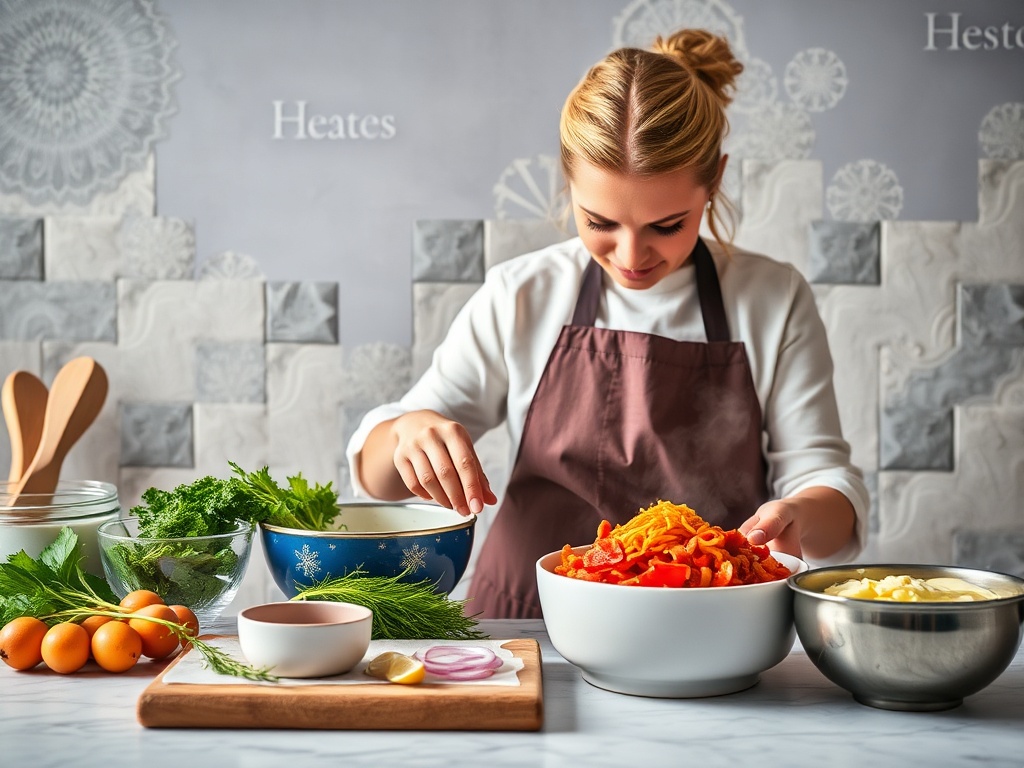
In today's fast-paced world, finding time for wholesome, home-cooked meals can feel like an impossible task. This is where batch cooking emerges as your culinary superhero, transforming weekly meal prep from a chore into a strategic advantage. Imagine reclaiming precious hours, slashing your grocery bill, and consistently enjoying nutritious dishes without the daily scramble. Batch cooking isn't just about cooking in bulk; it's a mindful approach to meal planning that empowers you to eat better, save money, and significantly reduce kitchen stress. Dive into our comprehensive guide to master the art of batch cooking and revolutionize your relationship with food.

Understanding the "Why" and "What" of Batch Cooking

At its core, batch cooking is the practice of preparing large quantities of food at once, typically on a dedicated day, to be consumed over several subsequent days or weeks. It’s more than just doubling a recipe; it’s a strategic allocation of your cooking time to maximize efficiency and nutritional output. The "why" is compelling: it's a powerful antidote to the convenience trap of takeout and processed foods, offering a direct path to healthier eating habits. By dedicating a few hours, you gain back countless minutes during busy weeknights. This approach also fosters significant cost savings by allowing you to buy ingredients in bulk and minimize food waste, ensuring every ingredient serves its purpose. Furthermore, batch cooking provides unparalleled peace of mind, knowing that nourishing meals are readily available, reducing decision fatigue and the temptation to opt for less healthy alternatives. It’s about smart planning, not endless cooking.

Your Pre-Batch Cooking Checklist: Setup for Success

Before you even think about turning on the stove, successful batch cooking hinges on thorough preparation. This foundational step ensures a smooth, efficient cooking session and minimizes the chances of culinary chaos. Begin by auditing your pantry and refrigerator, taking stock of existing ingredients to inspire your meal choices and prevent unnecessary purchases. Next, meticulously plan your meals for the week or even two. Consider variety, nutritional balance, and how ingredients can be cross-utilized across different dishes to maximize efficiency. Once your menu is set, create a detailed grocery list, organizing it by supermarket aisle to streamline your shopping trip. Finally, before the cooking marathon begins, dedicate time to setting up your kitchen. Clear counter space, gather all necessary equipment, and crucially, perform your mise en place – washing, chopping, and measuring all ingredients in advance. This systematic approach transforms a potentially overwhelming task into an enjoyable and productive culinary endeavor.

  • Strategic Meal Planning: Carefully select recipes that align with your dietary needs, culinary skills, and the types of meals you want to enjoy throughout the week. Prioritize versatility and consider recipes that share common ingredients or can be easily adapted into different dishes. Don't forget to factor in breakfast, lunch, and dinner, ensuring a balanced and exciting menu.
  • Optimized Grocery Shopping: Armed with your detailed meal plan, create a comprehensive grocery list. Focus on buying seasonal produce, bulk staples, and ingredients that will stretch across multiple recipes. Shopping smart means sticking to your list, avoiding impulse buys, and taking advantage of sales to maximize savings.
  • Efficient Kitchen Organization: A well-organized kitchen is paramount. Before you start cooking, ensure your counters are clear, your cutting boards are ready, and all necessary pots, pans, and utensils are easily accessible. Group ingredients for each recipe to avoid searching mid-cook, and have storage containers at the ready.
  • Thorough Ingredient Prep (Mise en Place): This is arguably the most critical step for a seamless batch cooking experience. Wash, peel, chop, dice, and measure all your vegetables, proteins, and grains before you begin any actual cooking. Having everything prepped and ready to go will dramatically reduce cooking time and make the process far more enjoyable and less stressful.

Master Batch Cooking Techniques: More Than Just Double Batches

True batch cooking mastery extends far beyond simply doubling a single recipe. It involves understanding and applying various techniques to create a diverse and exciting array of meals from a single cooking session. One highly effective method is **component cooking**, where you prepare large quantities of individual building blocks that can be mixed and matched throughout the week. Think roasted vegetables, cooked grains like quinoa or brown rice, and versatile proteins such as shredded chicken or ground turkey. These components can then be assembled into salads, bowls, wraps, or stir-fries. Another powerful strategy is creating **base recipes** – a large batch of a fundamental ingredient that can be transformed into multiple distinct meals. A big pot of marinara sauce, for instance, can become pasta sauce, a base for shakshuka, or a pizza topping. Similarly, a slow-cooked pork shoulder can be used for tacos, sandwiches, or even a hearty stew. For those who prefer a more structured approach, **full meal prep** involves cooking entire dishes and portioning them out into individual containers. This is ideal for grab-and-go lunches or quick dinners. Finally, always consider **freezer-friendly meals**; soups, stews, casseroles, and certain baked goods can be prepared in large quantities and frozen for weeks or months, providing an excellent emergency meal solution. By combining these techniques, you unlock endless possibilities and ensure variety, preventing meal fatigue.

Smart Storage and Reheating for Optimal Freshness

The success of your batch cooking efforts hinges significantly on proper storage and intelligent reheating. Incorrect handling can compromise both food safety and the deliciousness of your carefully prepared meals. Immediately after cooking, allow food to cool completely before transferring it to storage containers to prevent bacterial growth and condensation, which can lead to sogginess. Invest in high-quality, airtight containers, preferably glass, as they are non-reactive, easy to clean, and allow for direct reheating in the microwave or oven. Clearly label and date each container with the dish name and the date it was cooked; this is crucial for tracking freshness and preventing waste. Most cooked foods are safe in the refrigerator for 3-4 days, while freezer-friendly meals can last up to 3 months. When it comes to reheating, choose the method that best suits the dish. Microwaves are quick but can sometimes lead to uneven heating or dryness; adding a splash of water or broth can help maintain moisture. Ovens are excellent for casseroles, roasted vegetables, or anything you want to crisp up, ensuring even heating. Stovetop reheating works well for soups, stews, and stir-fries, allowing you to re-season and adjust textures as needed. Always ensure food reaches an internal temperature of 165°F (74°C) to eliminate harmful bacteria, and avoid reheating food multiple times.

Integrating Batch Cooking into Your Lifestyle: Tips for Consistency and Variety

Making batch cooking a sustainable part of your lifestyle requires more than just a single successful session; it demands consistency, flexibility, and a willingness to adapt. Start small by committing to batch cooking just one or two components or meals each week. This allows you to build confidence and refine your process without feeling overwhelmed. Schedule a dedicated "batch cooking block" into your week, treating it like any other important appointment. Whether it's a Sunday afternoon or a specific evening, having this time earmarked helps solidify the habit. Don't be afraid to involve family members; even young children can help with simple tasks like washing vegetables or stirring, making it a shared activity. Embrace variety by rotating your recipes, exploring seasonal ingredients, and trying new cuisines. This prevents meal fatigue and keeps your palate excited. Maintain a well-stocked pantry of staples like grains, spices, and canned goods, which makes impromptu batch cooking easier. Learn to repurpose leftovers creatively – yesterday's roasted chicken can become today's chicken salad or a filling for quesadillas. Finally, be patient with yourself. Not every batch cooking session will be perfect, and that's okay. Learn from what works and what doesn't, adjust your strategies, and celebrate the small victories. Consistency, not perfection, is the key to long-term success and enjoying the myriad benefits of a well-prepped kitchen.

Conclusion

Embracing a perfect batch cooking strategy is a game-changer for anyone seeking a more organized, healthier, and less stressful approach to daily meals. By dedicating a focused block of time to planning, prepping, and cooking, you unlock the power to reclaim your evenings, save significant money, and consistently nourish your body with wholesome, homemade food. From understanding the core benefits to mastering efficient techniques, smart storage, and seamless integration into your lifestyle, every step contributes to a more harmonious kitchen and a more balanced life. It's an investment in your well-being that pays dividends daily. Take the leap, start small, and watch as batch cooking transforms your culinary world. What are your favorite batch cooking tips or go-to recipes? Share your experiences in the comments below, and explore Daily Dish for more delicious inspiration!

[Master batch cooking with Daily Dish's ultimate guide! Save time, money, and eat healthier with smart meal prep strategies and tips.]

Effortless Evenings: The Magic of One-Pan Dinners for Easy Cleanup

Effortless Evenings: The Magic of One-Pan Dinners for Easy Cleanup

In the whirlwind of daily life, finding time to prepare a wholesome, delicious meal often feels like an impossible task. The thought of a sink full of dirty dishes after a long day can be enough to send anyone reaching for takeout menus. But what if we told you there’s a culinary secret weapon that promises gourmet flavors with minimal fuss and, most importantly, unbelievably easy cleanup? Welcome to the wonderful world of one-pan dinners! These ingenious meals simplify your cooking process, reduce your post-dinner chores, and empower you to create nutritious, satisfying dishes with incredible efficiency. Get ready to transform your weeknights and reclaim your precious free time.

The Philosophy of One-Pan Cooking: More Than Just Less Mess

One-pan cooking isn't just a trend; it's a culinary philosophy rooted in efficiency, flavor development, and stress reduction. At its core, it's about maximizing taste and nutrition while minimizing effort and cleanup. Imagine a single sheet pan, a sturdy skillet, or a versatile Dutch oven holding a symphony of ingredients—proteins, vegetables, and starches—all roasting, simmering, or baking together in perfect harmony. This communal cooking method allows flavors to meld beautifully, creating a depth that individual cooking often misses. The direct contact with the hot pan surface encourages caramelization, leading to rich, complex tastes and textures. From perfectly crisped chicken skin to tender, slightly charred vegetables, every bite is an experience. Beyond the obvious benefit of fewer dishes, one-pan meals promote healthier eating by making it easier to incorporate a balanced array of ingredients into one dish, often requiring less added fat than traditional frying. They’re also incredibly adaptable, allowing you to easily swap ingredients based on what’s in season, what you have on hand, or dietary preferences. This method empowers even novice cooks to achieve impressive results with confidence, making home cooking accessible and enjoyable for everyone.

Mastering the Art: Choosing Your Pan and Ingredients Wisely

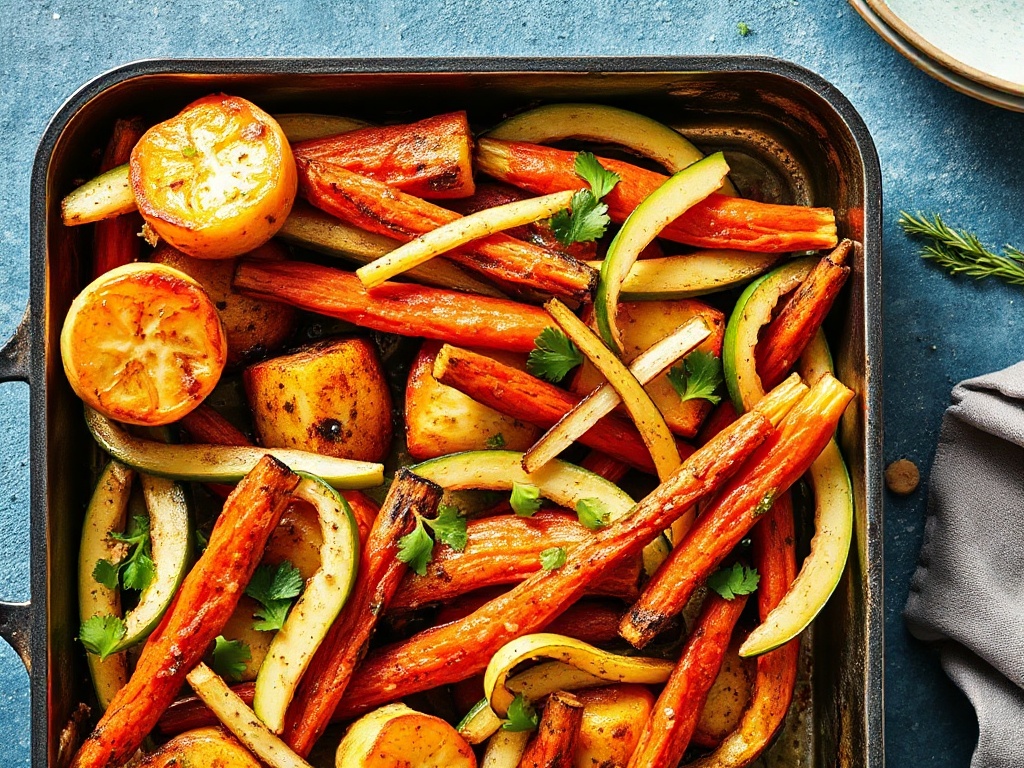
The secret to a successful one-pan dinner lies in making smart choices right from the start, beginning with your cookware and ingredient selection. The right pan provides even heat distribution and ample space, preventing overcrowding that can lead to steaming instead of roasting. A large, heavy-duty sheet pan is a classic choice for its versatility, perfect for roasting vegetables and proteins. Cast iron skillets excel at searing and developing a beautiful crust, while a Dutch oven is ideal for stews, braises, and dishes that benefit from slow, moist heat. Once you’ve selected your vessel, consider your ingredients. The key is to choose components that have similar cooking times or can be cut to sizes that allow them to finish cooking simultaneously. Harder vegetables like potatoes, carrots, and sweet potatoes will need to be cut into smaller pieces than softer ones like bell peppers, zucchini, or cherry tomatoes. Proteins like chicken thighs, sausages, or firm fish fillets are excellent choices for their relatively quick and consistent cooking. Don't be afraid to experiment with different combinations to discover your family's new favorites. With a little planning, you'll soon be a one-pan maestro, creating balanced, flavorful meals with ease.

  • Choose the Right Pan: A large, rimmed sheet pan (half-sheet size is great) is your best friend for roasting. Cast iron skillets offer superior searing and heat retention, while Dutch ovens are perfect for comforting braises and stews.
  • Balance Cook Times: Group ingredients with similar cooking durations together. If you're mixing fast-cooking proteins (like shrimp) with slow-roasting vegetables (like potatoes), cut the slower-cooking items into smaller pieces or give them a head start in the oven.
  • Don't Overcrowd: Give your ingredients space! Overcrowding a pan leads to steaming rather than roasting, resulting in soggy food. Use two pans if necessary, or work in batches. Air circulation is key for achieving that delicious caramelization.
  • Flavor Boosters: Don't forget aromatic vegetables like onions, garlic, and ginger. Citrus slices, fresh herbs, a drizzle of balsamic glaze, or a sprinkle of Parmesan cheese added towards the end can elevate simple ingredients into extraordinary flavors.

Flavor Fusion: Seasoning and Marinades for Maximum Taste

While the convenience of one-pan cooking is undeniable, it’s the incredible flavor potential that truly makes these meals stand out. The beauty of cooking everything together is that flavors naturally meld and deepen, but a strategic approach to seasoning and marinades can elevate your dish from good to unforgettable. Think beyond just salt and pepper. A robust spice blend, whether it's Italian herbs, a smoky paprika mix, or a vibrant curry powder, can coat your proteins and vegetables, infusing every bite with complexity. Consider the power of a good marinade: even 30 minutes can tenderize meat and infuse it with a burst of flavor from acids like lemon juice or vinegar, and aromatics like garlic, ginger, and herbs. For a quick flavor boost, a simple dressing made with olive oil, lemon juice, dried herbs, and a touch of honey or maple syrup can be tossed with all your ingredients before roasting. Don't forget the finishing touches! A squeeze of fresh citrus after cooking, a sprinkle of fresh herbs like cilantro or parsley, or a drizzle of a flavorful sauce like pesto or a spicy aioli can add a pop of brightness and freshness that ties the whole meal together. Experiment with different flavor profiles—Mediterranean, Asian, Mexican—to keep your one-pan dinners exciting and varied. The single pan becomes a canvas for your culinary creativity.

Beyond the Sheet Pan: Versatile One-Pan Cooking Methods

While sheet pan dinners have rightfully earned their place as a weeknight hero, the concept of one-pan cooking extends far beyond just the oven. The beauty of this approach lies in its adaptability across various cooking methods, each offering unique textures and flavor profiles. Consider the mighty skillet dinner, often cooked on the stovetop, where you can sear your protein to perfection before adding vegetables and a flavorful sauce to simmer together. Cast iron skillets are particularly excellent for this, creating a beautiful crust and retaining heat wonderfully. Then there are Dutch oven meals, which are perfect for heartier, slow-cooked dishes like stews, braises, or robust casseroles. The heavy, lidded pot locks in moisture and allows flavors to deepen over time, resulting in incredibly tender meats and vegetables. Don't overlook the simplicity and charm of foil packet dinners. These individual parcels, often cooked on the grill or in the oven, create a steamy environment that locks in moisture and flavor, making them ideal for delicate fish or quick-cooking vegetables. Each method provides a unique way to achieve the "one-pan" goal, catering to different ingredients and desired outcomes. Exploring these diverse techniques opens up a world of culinary possibilities, ensuring your one-pan repertoire is always fresh, exciting, and perfectly suited to whatever you're craving.

Meal Prep and Leftovers: Maximizing Your One-Pan Efforts

One of the unsung heroes of one-pan dinners is their incredible utility for meal prep and their fantastic performance as leftovers. The very nature of cooking a balanced meal all together means that you're often creating a dish that's perfectly portionable and incredibly convenient for future meals. Imagine dedicating an hour on a Sunday to prepare a large sheet pan of roasted chicken and vegetables. You'll not only have dinner for that evening but also healthy, ready-to-eat lunches or quick reheat dinners for the next few days. The flavors from one-pan meals often deepen and meld even further after a day or two in the refrigerator, making leftovers taste even better. When it comes to storage, simply allow the cooked ingredients to cool completely before transferring them to airtight containers. These meals typically keep well in the refrigerator for 3-4 days. For reheating, a quick warm-up in the microwave or a few minutes in a toaster oven or conventional oven can bring them back to life. Some components, like roasted root vegetables, can even be repurposed into other dishes, such as a quick hash or a flavorful addition to a grain bowl. By embracing one-pan cooking, you're not just simplifying dinner; you're streamlining your entire week, making healthy eating more accessible and significantly reducing food waste.

Conclusion

One-pan dinners are more than just a passing culinary fad; they're a sustainable, delicious, and incredibly practical solution for modern home cooks. By consolidating your cooking to a single vessel, you unlock a world of benefits: rich, harmonized flavors, significantly less time spent on cleanup, and the flexibility to create nutritious meals tailored to your taste and schedule. From bustling weeknights to relaxed weekend gatherings, these versatile dishes prove that gourmet quality doesn't have to come with a mountain of dishes. So, clear your countertops, choose your favorite pan, and prepare to revolutionize your approach to home cooking. Embrace the simplicity, savor the flavors, and reclaim your evenings. Your taste buds, your schedule, and your dish rack will thank you! Ready to dive into the delicious world of one-pan meals? Explore Daily Dish for our latest one-pan recipes and cooking inspiration!

[Simplify weeknights with delicious one-pan dinners! Discover easy recipes, expert tips, and quick cleanup solutions for healthy, stress-free meals.]

jeudi 2 juillet 2026

Seasonal Eating Guide This Month

10 Quick Weeknight Dinners: Delicious Meals Ready in 30 Minutes

10 Quick Weeknight Dinners: Delicious Meals Ready in 30 Minutes

Life gets hectic, and sometimes the thought of whipping up a nutritious, homemade dinner after a long day feels like an insurmountable challenge. The siren song of takeout or ready-made meals can be incredibly tempting when time is short and energy is low. But what if we told you that creating a satisfying, flavorful, and healthy meal for your family doesn’t have to take an hour or more? Daily Dish is here to rescue your weeknights with a collection of ten incredible dinner ideas, each designed to go from pantry to plate in 30 minutes or less. Get ready to reclaim your evenings, enjoy more quality time, and savor delicious food without the fuss!

Sheet Pan & One-Pot Wonders: Minimal Effort, Maximum Flavor

When it comes to speed and minimal cleanup, sheet pan and one-pot meals are absolute game-changers. They allow you to combine proteins and vegetables on a single cooking surface, letting the oven do most of the work while you relax. This method not only saves precious time but also infuses ingredients with incredible roasted flavors. Imagine a complete meal emerging from your oven, perfectly cooked and ready to serve, with just one pan to wash. It’s the ultimate weeknight hack for busy individuals and families who crave deliciousness without the mountain of dishes. The beauty of these dishes lies in their versatility; feel free to swap in your favorite vegetables or proteins based on what you have on hand, making them endlessly adaptable to your tastes and pantry staples.

Our first star is the **Lemon Herb Salmon & Asparagus**. Simply toss asparagus spears with olive oil, salt, and pepper, then arrange them on a sheet pan. Place salmon fillets seasoned with lemon juice, dill, and a touch of garlic powder alongside. Roast at 400°F (200°C) for 12-15 minutes, or until the salmon flakes easily and the asparagus is tender-crisp. It’s a restaurant-quality meal that’s packed with omega-3s and vibrant flavors. Next up, try **One-Pan Sausage and Veggies**. Slice your favorite pre-cooked sausage (chicken, turkey, or pork work wonderfully) and combine it on a sheet pan with chopped bell peppers, onions, zucchini, and cherry tomatoes. Drizzle with olive oil, Italian seasoning, and a pinch of red pepper flakes for a little kick. Roast at 400°F (200°C) for 20-25 minutes, stirring once, until the vegetables are tender and slightly caramelized. This hearty and colorful meal is a complete dinner in itself, providing a fantastic balance of protein and fiber.

Pasta & Noodle Power-Ups: Speedy Satisfaction for Every Palate

Pasta and noodles are the undisputed champions of quick cooking, offering a versatile base for an endless array of flavors and textures. Their ability to transform simple ingredients into a comforting and satisfying meal in minutes makes them a weeknight essential. Whether you’re craving a light seafood dish or a rich vegetarian option, pasta and noodles provide the perfect canvas. The trick to maximizing their speed lies in smart ingredient choices and efficient cooking techniques, ensuring that every component of your meal is ready simultaneously. Don’t underestimate the power of a well-stocked pantry with a variety of pasta shapes and quick-cooking noodles, as they can be the foundation for countless delicious possibilities.

  • **Pre-chopped Veggies:** Save time by using pre-cut vegetables from the grocery store or by doing your chopping earlier in the week during meal prep.
  • **Quick-Cooking Sauces:** Opt for jarred pesto, marinara, or create simple pan sauces with broth, lemon juice, and herbs while the pasta boils.
  • **Pasta Water Magic:** Always reserve some starchy pasta water! It’s the secret ingredient for emulsifying sauces, making them silky smooth and helping them cling to the pasta.
  • **High Heat Sautéing:** Cook protein and vegetables quickly over high heat to achieve tender-crisp textures in a flash.

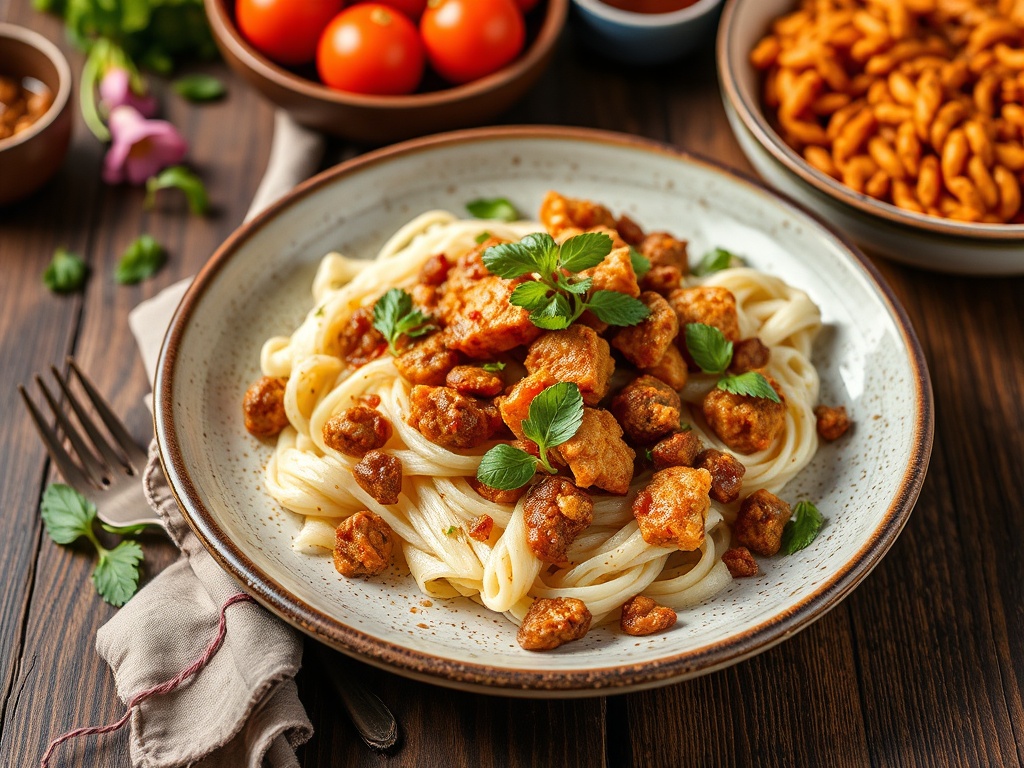
For a light yet luxurious meal, try **Quick Shrimp Scampi with Zucchini Noodles**. Sauté garlic in olive oil, then add raw shrimp and cook until pink, about 2-3 minutes per side. Deglaze the pan with a splash of white wine or chicken broth, then stir in lemon juice, fresh parsley, and a pat of butter. Toss with pre-made zucchini noodles (or quickly spiralized zucchini) for a low-carb option, or use angel hair pasta for a more traditional take. The dish comes together in under 15 minutes, offering vibrant flavors and a satisfying texture. Another fantastic option is **Pesto Pasta with Cherry Tomatoes and Mozzarella**. Cook your favorite short pasta (like penne or rotini) according to package directions. While it cooks, halve a pint of cherry tomatoes and cube some fresh mozzarella. Drain the pasta, reserving a little pasta water. Toss the hot pasta with a generous spoonful of good quality pesto, the cherry tomatoes, and mozzarella. Add a splash of pasta water to create a luscious sauce, and garnish with fresh basil. This dish is incredibly fresh, colorful, and bursts with Mediterranean flavors.

Protein-Packed & Plant-Forward: Fueling Your Body, Fast

Eating well on a busy weeknight doesn't mean sacrificing protein or vital nutrients. In fact, these quick dinners prove that you can enjoy satisfying, wholesome meals that are packed with protein, whether from meat, poultry, or plant-based sources, all within a tight timeframe. The key is to utilize ingredients that cook quickly or are already partially prepared, allowing you to build a balanced meal without extensive prep work. Focusing on high-quality protein sources ensures you stay full and energized, while incorporating plenty of vegetables boosts your fiber and vitamin intake. These recipes are designed to be both delicious and incredibly efficient, making healthy eating accessible even on your busiest evenings.

Our first hearty option is **Black Bean Burgers with Avocado Crema**. While your favorite store-bought or homemade black bean burgers cook according to package directions (pan-fried or baked), quickly whip up an avocado crema. Blend half an avocado with a squeeze of lime juice, a spoonful of plain Greek yogurt or sour cream, and a pinch of salt until smooth. Toast your burger buns, assemble the burgers with lettuce, tomato, and a generous dollop of the creamy avocado sauce. This meal is incredibly satisfying, rich in fiber, and offers a delicious plant-based protein boost that comes together in less than 20 minutes. It’s a vibrant and flavorful alternative to traditional beef burgers, proving that healthy can be hearty.

Next, ignite your taste buds with a **Speedy Chicken Stir-Fry**. Slice boneless, skinless chicken breasts or thighs into thin strips. Heat a wok or large skillet over high heat with a tablespoon of sesame oil. Add the chicken and stir-fry until cooked through, about 5-7 minutes. Remove chicken from the pan. Add a bag of pre-cut stir-fry vegetables (broccoli florets, snap peas, carrots, bell peppers) to the hot pan and stir-fry for 3-5 minutes until tender-crisp. Return the chicken to the pan and pour in a quick sauce made from soy sauce, a touch of honey or maple syrup, grated ginger, and minced garlic. Toss everything to coat and serve immediately over instant brown rice or quick-cooking noodles. This vibrant dish is packed with lean protein and an abundance of colorful vegetables, making it a complete and incredibly flavorful meal that rivals any takeout.

Clever Kitchen Hacks & Pantry Staples: Smart Solutions for Busy Cooks

The secret to consistently fast weeknight dinners often lies in smart planning and a well-stocked pantry. By utilizing clever kitchen hacks and keeping essential pantry staples on hand, you can drastically reduce prep and cooking time without sacrificing flavor or nutrition. Think about ingredients that offer maximum impact with minimal effort – canned goods, pre-cooked proteins, and versatile vegetables. These shortcuts aren't about cutting corners on quality, but rather optimizing your time in the kitchen. Learning to leverage these resources transforms the daunting task of dinner preparation into an enjoyable and stress-free experience, proving that a delicious meal is always within reach, even on your busiest evenings.

Our first clever creation is **Loaded Sweet Potatoes with Chili**. Pierce a medium-sized sweet potato several times with a fork and microwave on high for 5-8 minutes, or until very tender. While it cooks, gently warm a can of your favorite chili on the stovetop or in the microwave. Once the sweet potato is cooked, split it open, fluff the flesh with a fork, and top generously with the warm chili. Add your favorite toppings like shredded cheese, a dollop of Greek yogurt or sour cream, chopped green onions, or even some crushed tortilla chips for extra crunch. This meal is incredibly comforting, packed with fiber and protein, and comes together with minimal cooking, relying heavily on efficient heating methods and pantry mainstays. It’s a perfect warm and satisfying dish for a chilly evening.

Next, embrace the versatility of pre-cooked chicken with **Quesadillas with Rotisserie Chicken**. Shred the meat from a store-bought rotisserie chicken (or use any leftover cooked chicken you have). In a large skillet, place a tortilla and sprinkle one half with shredded cheese. Top with a generous amount of the shredded chicken, chopped bell peppers (optional), and another layer of cheese. Fold the tortilla over and cook on medium heat for 3-4 minutes per side, or until golden brown and the cheese is melted and bubbly. Repeat with remaining tortillas. Serve with salsa, guacamole, and sour cream for dipping. This incredibly customizable and satisfying meal is a fantastic way to use up leftovers and requires very little active cooking, making it a perfect quick fix for any weeknight. It's a crowd-pleaser that's ready in a flash.

Brunch for Dinner & Unexpectedly Quick: Breaking the Mold for Speed

Who says dinner has to follow traditional rules? Sometimes the fastest and most satisfying meals come from thinking outside the box, drawing inspiration from other meal times, or rediscovering simple classics that deliver big on flavor in a short amount of time. These "unexpectedly quick" dinners leverage ingredients you likely already have on hand, offering comfort and novelty without the extended cooking commitment. They’re perfect for those evenings when you’re craving something different but still need dinner on the table in a flash. Embrace the freedom of unconventional dinner ideas and discover new favorites that will quickly become staples in your busy weeknight rotation.

First up, a beloved comfort food gets a gourmet twist with **Gourmet Tuna Melts**. While the concept of a tuna melt is simple, elevating it with quality ingredients makes all the difference. In a bowl, combine a can of drained tuna with a spoonful of mayonnaise, diced celery or red onion for crunch, a squeeze of lemon juice, and a pinch of black pepper. Spread the tuna mixture onto slices of good quality bread (sourdough or whole wheat works well), top with a slice of sharp cheddar or provolone cheese, and grill in a pan with a little butter or olive oil until the bread is golden and crispy, and the cheese is melted. Serve with a side salad for a complete meal. This classic is elevated and ready in under 15 minutes, offering nostalgic comfort and a satisfying crunch.

Finally, transform leftover rice into a vibrant and flavorful meal with **Quick Egg Fried Rice**. Heat a tablespoon of oil in a large skillet or wok over high heat. Add finely diced onion, carrots, and peas (frozen peas and carrots work great). Sauté for 2-3 minutes until slightly tender. Push the vegetables to one side, crack 2-3 eggs into the empty side of the pan, and scramble them quickly. Once cooked, break them into small pieces and mix with the vegetables. Add 2-3 cups of cold, day-old cooked rice (cold rice prevents stickiness). Stir-fry for 5 minutes, breaking up any clumps. Season with soy sauce, a dash of sesame oil, and a sprinkle of white pepper. Garnish with chopped green onions. This incredibly versatile and quick dish is a fantastic way to use up leftover rice and comes together faster than you can order takeout, providing a delicious and customizable meal in minutes.

Conclusion

There you have it – ten phenomenal weeknight dinners that prove you don't need hours in the kitchen to enjoy delicious, homemade food. From the simplicity of sheet pan meals to the comforting speed of pasta dishes and the clever utilization of pantry staples, these recipes are designed to fit seamlessly into your busy lifestyle. Embrace these quick solutions, and you'll find yourself spending less time cooking and more time savoring moments with loved ones or simply unwinding after a long day. Daily Dish is committed to making healthy, flavorful eating accessible to everyone, no matter how packed your schedule. So, pick a recipe, gather your ingredients, and get ready to transform your weeknights!

Which of these 30-minute meals will you try first? Share your favorite quick dinner hacks and creations with us in the comments below, or tag us on social media! Happy cooking!

[159 chars meta description]Transform busy weeknights with Daily Dish's 10 delicious, healthy, and easy dinners, all ready in 30 minutes or less! Reclaim your evenings!

Impressive Brunch Ideas for Guests

Global Flavors Easy International Recipes

Healthy Comfort Food Makeovers

Budget Family Meals Under 15 Dollars

Meal Prep: Unlock More Time, Savor Healthier Meals, and Simplify Your Life

Meal Prep: Unlock More Time, Savor Healthier Meals, and Simplify Your Life

Meal Prep: Unlock More Time, Savor Healthier Meals, and Simplify Your Life

In our fast-paced world, finding time for wholesome, home-cooked meals can feel like an impossible task. We often find ourselves resorting to quick, less-than-nutritious options out of convenience, sacrificing both our health goals and our precious free time. But what if there was a simple, effective solution that could transform your eating habits, free up your evenings, and even save you money? Enter meal prepping. This culinary strategy is more than just cooking in advance; it's a lifestyle hack that empowers you to take control of your diet, your schedule, and your wallet, making healthy eating an effortless part of your daily routine. Get ready to discover how a little planning can lead to a lot of payoff.

The Time-Saving Magic of Meal Prep

Imagine coming home after a long day, tired and hungry, only to find a delicious, ready-to-eat meal waiting for you. No need to ponder what to cook, no frantic chopping, no endless dishes. This isn't a fantasy; it's the reality meal prepping creates. By dedicating just a few hours on a weekend, you can batch cook components or entire meals for the entire week ahead. This consolidates your cooking time, meaning you only clean the kitchen once extensively, rather than every single night. The mental energy saved from not having to decide "what's for dinner?" each evening is invaluable, reducing decision fatigue and freeing up cognitive space for other priorities. Think about the cumulative hours you spend each week planning, shopping, cooking, and cleaning for individual meals; meal prep drastically slashes this, giving you back precious moments to spend with loved ones, pursue hobbies, or simply relax. It transforms the chaotic rush of weekday evenings into moments of calm and nourishment.

Nutritional Benefits and Healthy Eating Habits

Beyond the undeniable time-saving advantages, meal prepping is a cornerstone of a healthy lifestyle. When you prepare your meals in advance, you gain complete control over the ingredients, ensuring your food is packed with nutrients and free from unwanted additives often found in processed foods or restaurant dishes. This proactive approach allows you to tailor your diet precisely to your health goals, whether it's increasing vegetable intake, managing calorie consumption, or reducing sugar and sodium. It eliminates the last-minute scramble that often leads to unhealthy takeout choices, creating a consistent pattern of nutritious eating that supports long-term wellness. Meal prepping makes healthy eating the easy choice, not the difficult one, embedding good habits into your daily rhythm.

  • Ingredient Control: Meal prepping empowers you to select fresh, high-quality ingredients, avoiding hidden sugars, excessive sodium, unhealthy fats, and artificial additives often prevalent in convenience foods and restaurant meals. You decide exactly what goes into your body, making it easier to meet dietary restrictions or preferences.
  • Portion Management: Pre-portioned meals are an excellent tool for managing calorie intake and promoting healthy weight management. By measuring out servings in advance, you eliminate the temptation to overeat, fostering mindful eating habits and a better understanding of appropriate portion sizes.
  • Bypassing Unhealthy Temptations: When hunger strikes and a healthy, delicious meal is readily available, the allure of fast food, sugary snacks, or expensive takeout diminishes significantly. Meal prep creates a buffer against impulsive, less healthy food choices, keeping you on track with your nutritional goals.
  • Consistent Healthy Choices: Establishing a routine of nutritious eating is key to long-term health. Meal prepping ensures you consistently consume balanced meals throughout the week, reinforcing good habits and making healthy eating a sustainable, effortless part of your daily life rather than an occasional effort.

Budget-Friendly Benefits: Smart Shopping & Less Waste

Many people assume healthy eating is expensive, but meal prepping turns this notion on its head. By planning your meals for the week, you create a precise grocery list, which is the first step in smart shopping. This intentional approach minimizes impulse buys and ensures you only purchase what you need, drastically reducing your grocery bill. Furthermore, meal prepping encourages buying ingredients in bulk when appropriate, which is often more cost-effective. You can also take advantage of sales on produce or proteins, knowing exactly how you'll use them. Perhaps one of the biggest financial benefits comes from significantly reducing food waste. When ingredients are purchased with a specific meal plan in mind, they are less likely to spoil unused in the back of your fridge. Every carrot, every chicken breast, every leafy green has a purpose. This thoughtful utilization of food not only saves money but also aligns with sustainable living practices, making your kitchen more efficient and environmentally friendly.

Getting Started: Your Meal Prep Toolkit & Strategy

Embarking on your meal prep journey doesn't require a professional kitchen or an extensive array of gadgets. A few fundamental tools and a clear strategy are all you need to begin. First, invest in good quality, airtight containers – glass containers are often preferred for their durability, ability to go from freezer to oven (without lids), and ease of cleaning, though BPA-free plastic is also an option. A sharp knife, a sturdy cutting board, and a few versatile pots and pans are also essential. When it comes to strategy, start simple. Don't try to prep every single meal for every single day right away. Begin by focusing on lunches or dinners for 3-4 days. Choose recipes with overlapping ingredients or methods, like roasting a large batch of vegetables that can be used in multiple dishes. Consider batch cooking grains like quinoa or rice, and proteins like chicken breast or hard-boiled eggs. A simple formula often works best: one protein, one complex carbohydrate, and plenty of vegetables. This structured yet flexible approach will help you build confidence and efficiency without feeling overwhelmed, setting a solid foundation for sustainable meal prepping.

Beyond the Basics: Advanced Tips for Sustainable Meal Prepping

Once you've mastered the fundamentals of meal prepping, you might be ready to elevate your strategy and ensure it remains a sustainable habit for the long run. Variety is key to avoiding meal fatigue. Instead of eating the exact same meal every day, consider prepping versatile components that can be mixed and matched. For instance, roast a large batch of sweet potatoes, grill chicken breasts, and prepare a big salad mix. These components can be combined differently each day with various dressings or spices to create fresh new meals. Don't shy away from your freezer; it's a meal prepper's best friend. Cook larger batches of stews, chilis, or casseroles and portion them into freezer-safe containers for future busy days. Labeling with dates is crucial. Explore different cooking methods like slow cooking or Instant Pot cooking to diversify your prep. And remember, meal prepping doesn't have to be rigid; allow for some flexibility. If a spontaneous dinner invitation arises, embrace it. The goal is to simplify your life and eat better, not to create another source of stress. Continuous learning, experimenting with new recipes, and finding what works best for your unique lifestyle will keep your meal prep routine exciting and effective.

Conclusion

Meal prepping is far more than just a kitchen trend; it's a powerful tool for reclaiming your time, enhancing your health, and fortifying your financial well-being. By embracing the simple act of planning and preparing meals in advance, you unlock a cascade of benefits, from reducing daily stress and making healthier food choices automatic, to cutting down on grocery expenses and minimizing food waste. It’s an investment of a few hours that pays dividends throughout your entire week, empowering you to live a more balanced, nourished, and intentional life. So, what are you waiting for? Take the first step today. Visit Daily Dish for inspiring recipes, practical guides, and all the tips you need to start your meal prep journey and transform your relationship with food!

Smart Food Storage Reduce Waste

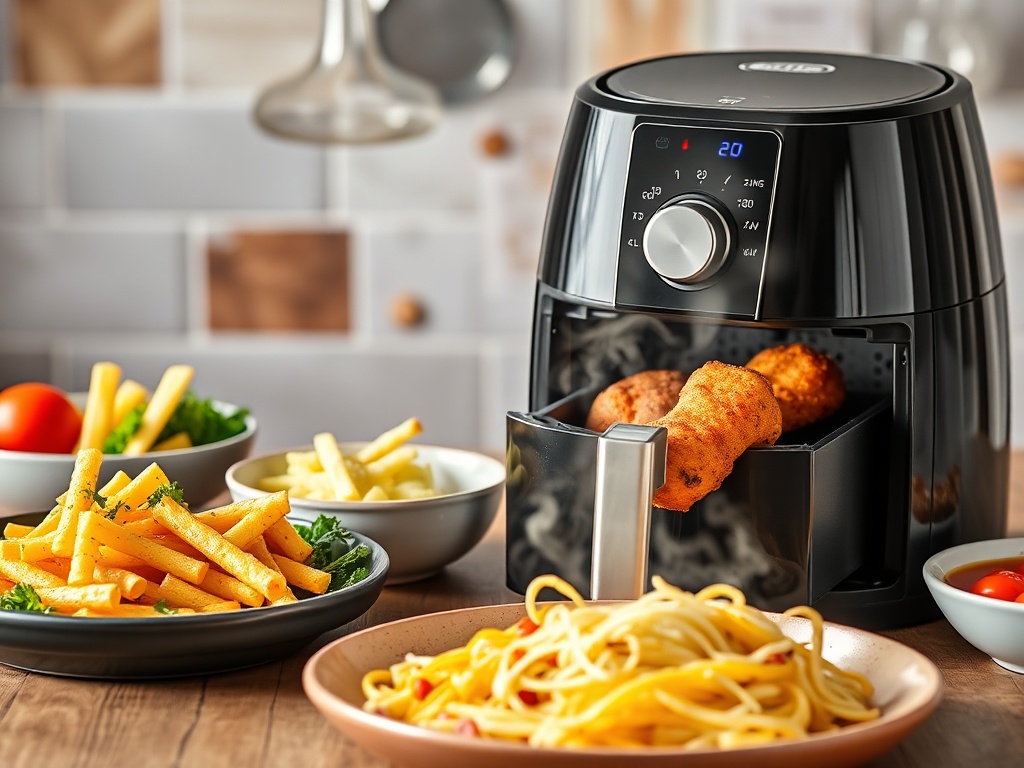
Air Fryer Magic Best Recipes

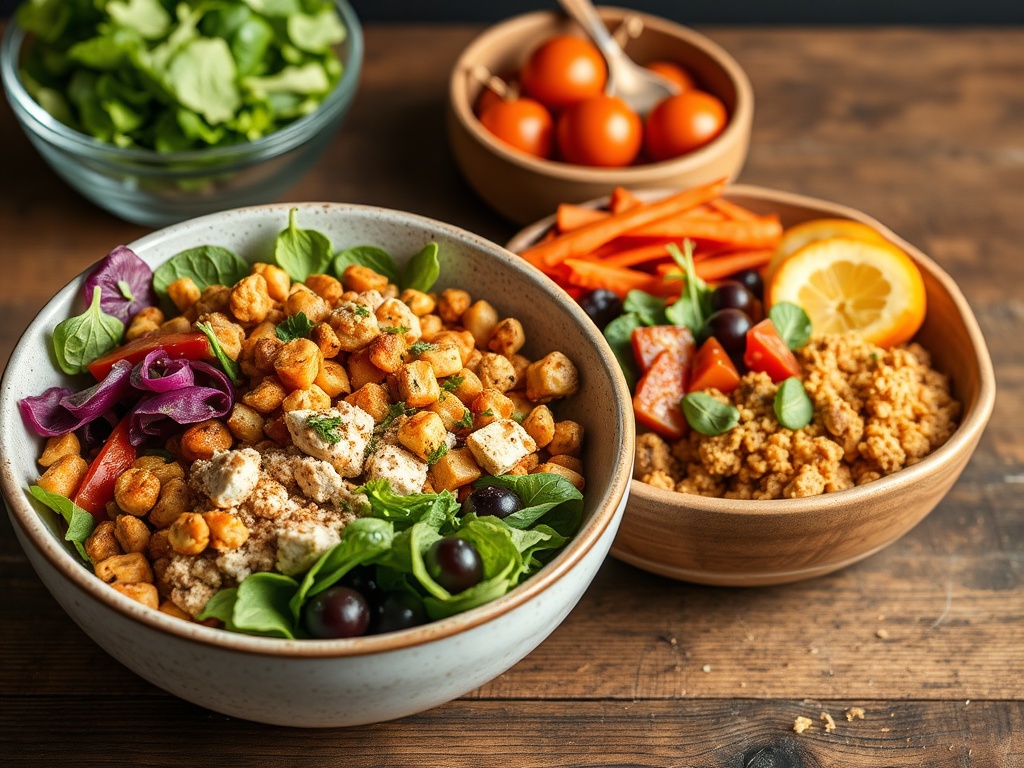
Unlock Your Energy: The Ultimate Guide to Vegetarian Protein Power Bowls

Unlock Your Energy: The Ultimate Guide to Vegetarian Protein Power Bowls

In today's fast-paced world, finding meals that are both convenient and packed with nutrition can feel like a culinary quest. Enter the power bowl: a vibrant, customizable, and incredibly satisfying meal that brings together a medley of wholesome ingredients in one delightful dish. For those embracing a plant-based lifestyle, or simply looking to incorporate more vegetables and nutrient-dense foods, vegetarian protein power bowls are a game-changer. They offer a fantastic way to ensure you're getting ample protein, fiber, vitamins, and minerals, all while keeping your taste buds happy. Get ready to dive into the art of crafting these delicious, energy-boosting bowls that are perfect for any meal, any day of the week.

The Foundation: Understanding Vegetarian Protein Sources

At the heart of every great power bowl is a robust protein source, and for vegetarian bowls, the options are surprisingly vast and varied. Moving beyond the common misconception that plant-based diets lack protein, we uncover a world of ingredients rich in this essential macronutrient. Legumes like black beans, chickpeas, and lentils are stellar choices, providing not only protein but also a significant boost of fiber, which aids digestion and promotes satiety. Grains such as quinoa, a complete protein containing all nine essential amino acids, and farro, known for its chewy texture and nutty flavor, serve as excellent foundations. Don't overlook the power of nuts and seeds; almonds, walnuts, chia seeds, and hemp seeds pack a protein punch alongside healthy fats and micronutrients. Soy products like tofu and tempeh are incredibly versatile, absorbing flavors beautifully and offering a firm texture. Tofu, made from condensed soy milk, can be baked, fried, or crumbled, while tempeh, a fermented soy product, boasts a nutty, earthy taste. Lastly, seitan, derived from wheat gluten, offers a meat-like texture and high protein content, making it a favorite among many vegetarians. Combining these diverse sources throughout your week ensures a complete amino acid profile and a wide array of nutritional benefits.

Building Your Bowl: Components of a Perfect Power Bowl

Crafting a truly exceptional vegetarian protein power bowl involves a thoughtful assembly of various components, each playing a crucial role in delivering flavor, texture, and nutritional balance. Think of it as an edible canvas where you layer different elements to create a harmonious masterpiece. Starting with a solid base is key, whether it's a bed of fresh leafy greens like spinach or kale, or a hearty grain such as brown rice or quinoa. This base provides a canvas for your culinary creation and adds a foundational layer of nutrients. Next comes your star player: the protein. As discussed, options abound, from roasted chickpeas to marinated tofu or a scoop of spiced lentils. These proteins are vital for satiety and muscle health. The vibrant heart of your bowl will be an assortment of colorful vegetables, offering essential vitamins, minerals, and antioxidants. These can be raw, steamed, roasted, or sautéed, adding both visual appeal and a spectrum of flavors. Don't forget healthy fats, like avocado slices, a drizzle of olive oil, or a sprinkle of seeds, which enhance nutrient absorption and contribute to fullness. Finally, a flavorful dressing ties everything together, providing moisture and a burst of taste, while various toppings add crunch and extra flair. The beauty of power bowls lies in their adaptability, allowing you to mix and match ingredients based on your preferences and what you have on hand.

  • Grains/Greens Base: Start with a foundation of nutrient-rich grains like quinoa, farro, or brown rice, or a refreshing bed of leafy greens such as spinach, kale, or mixed salad greens for essential fiber and complex carbohydrates.
  • Protein Punch: Incorporate a generous serving of plant-based protein like roasted chickpeas, black beans, lentils, marinated tofu, tempeh, or edamame to ensure satiety and muscle support.
  • Vibrant Veggies: Load up on a colorful array of fresh, steamed, or roasted vegetables suchades bell peppers, cherry tomatoes, cucumbers, shredded carrots, broccoli, or sweet potatoes for vitamins, minerals, and antioxidants.
  • Flavorful Fats & Finishes: Add healthy fats such as sliced avocado, a sprinkle of nuts or seeds (like almonds, walnuts, pumpkin seeds, or chia seeds), and a drizzle of a homemade dressing (tahini, pesto, or a vinaigrette) to enhance flavor, aid absorption, and provide a satisfying finish.

Masterful Meal Prep: Vegetarian Power Bowls for Busy Lives

One of the most appealing aspects of vegetarian protein power bowls is their incredible suitability for meal prepping, making healthy eating accessible even on the busiest of days. The secret lies in preparing individual components in advance, allowing for quick and effortless assembly when hunger strikes. Imagine having pre-cooked grains, roasted vegetables, and a batch of your favorite plant-based protein ready to go. On Sunday, dedicate a couple of hours to cook a large batch of quinoa or brown rice, roast a tray of sweet potatoes and broccoli, and bake or sauté a block of tofu or a pot of lentils. Prepare your dressings and chop your fresh greens and other raw vegetables, storing them in separate airtight containers in the refrigerator. This compartmentalized approach is crucial; keeping ingredients separate prevents sogginess and maintains freshness, ensuring that each component retains its optimal texture and flavor. When it's time for a meal, simply grab a bowl, layer your prepped base, protein, and veggies, drizzle with dressing, and add any fresh toppings. This strategy not only saves precious time during the week but also reduces the temptation to opt for less healthy, convenience-driven choices. With a little planning, you can enjoy nourishing, delicious power bowls all week long, simplifying your meal routine and supporting your health goals without stress.

Beyond the Basics: Creative Flavor Combinations and Themes

While the fundamental structure of a power bowl remains consistent, the true magic lies in the endless possibilities for flavor combinations and thematic explorations. Moving beyond the basic assembly, you can transform your vegetarian protein power bowls into exciting culinary journeys that transport your taste buds around the globe. Consider a vibrant Mediterranean-themed bowl, featuring a base of fluffy couscous or quinoa, topped with crispy roasted chickpeas, diced cucumbers, cherry tomatoes, Kalamata olives, and a sprinkle of fresh mint, all brought together with a zesty lemon-tahini dressing. For an Asian-inspired experience, start with brown rice, add pan-seared edamame, shredded carrots, thinly sliced bell peppers, and a generous dollop of homemade peanut sauce, perhaps garnished with sesame seeds and green onions. If you're craving something with a kick, a Mexican Fiesta bowl is perfect: black beans and corn salsa over a bed of cilantro-lime rice, adorned with fresh avocado, pico de gallo, and a creamy cashew-lime dressing. For those who appreciate warming spices, an Indian-inspired bowl could feature aromatic basmati rice, a spoonful of rich lentil dal, sautéed spinach, roasted cauliflower, and a cooling dollop of mint-yogurt dressing (dairy-free optional). Don't be afraid to experiment with different spices, herbs, and homemade sauces to unlock new dimensions of flavor. The versatility of power bowls means your culinary adventures are limited only by your imagination, encouraging you to explore diverse tastes and textures with every meal.

Nutritional Benefits and Health Advantages of Plant-Based Bowls

Embracing vegetarian protein power bowls goes far beyond just enjoying a delicious meal; it's a strategic move towards enhanced health and well-being. These bowls are inherently packed with an impressive array of nutritional benefits that contribute to overall vitality. Firstly, their typically high fiber content, derived from grains, legumes, fruits, and vegetables, is a powerhouse for digestive health. Fiber promotes regularity, helps maintain a healthy gut microbiome, and contributes to a feeling of fullness, which can be beneficial for weight management. Secondly, plant-based bowls are veritable treasure troves of vitamins, minerals, and antioxidants. From the Vitamin C in bell peppers to the iron in spinach, the potassium in sweet potatoes, and the myriad of phytonutrients found in colorful produce, these bowls support immune function, reduce inflammation, and protect against cellular damage. Moreover, by focusing on plant-based proteins, you naturally reduce your intake of saturated fat and cholesterol, often found in animal products, which can contribute to a lower risk of heart disease. The consistent consumption of whole, unprocessed foods, as is typical in power bowls, has been linked to a reduced risk of chronic diseases such as type 2 diabetes and certain cancers. Beyond individual health, choosing plant-based meals also carries significant environmental advantages, making these bowls a sustainable choice for both your body and the planet. Ultimately, a vegetarian protein power bowl is more than just a meal; it's a comprehensive package of health advantages wrapped in a delightful and convenient format.

Conclusion

Vegetarian protein power bowls truly stand out as a cornerstone of modern, healthy eating. Their unparalleled versatility, nutritional density, and ease of preparation make them an ideal choice for anyone looking to nourish their body with wholesome, plant-based goodness. From understanding the rich landscape of vegetarian protein sources to mastering the art of meal prep and exploring diverse flavor themes, we've seen how these bowls can be customized to suit every taste and lifestyle. Packed with fiber, essential vitamins, minerals, and antioxidants, they offer significant health advantages, supporting everything from digestion to heart health and sustainable eating practices. So, whether you're a seasoned plant-based eater or just beginning your journey into vegetarian cuisine, now is the perfect time to unleash your creativity and start building your own delicious, energy-boosting power bowls. Visit DailyDish.com for more delicious plant-based recipes and meal planning tips, and don't forget to share your favorite power bowl creations with us on social media using #DailyDishPowerBowls!

<!--

mercredi 1 juillet 2026

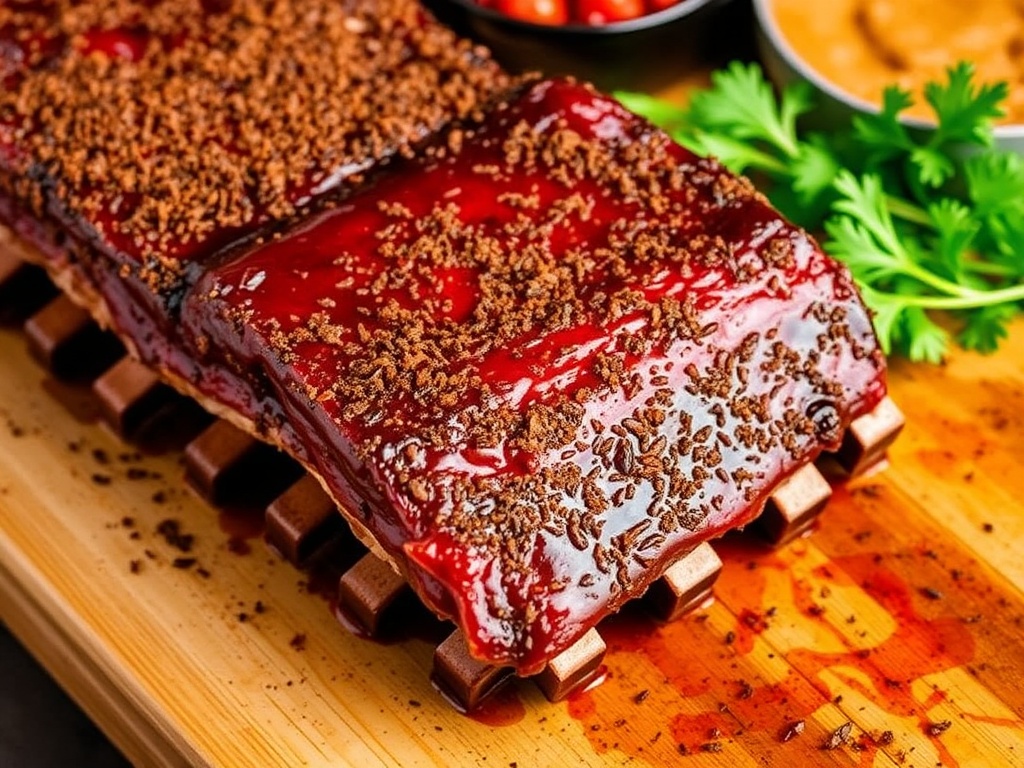
Classic BBQ Ribs with Smoky Dry Rub Ultimate Grilling Guide

Classic BBQ Ribs with Smoky Dry Rub Ultimate Grilling Guide

Are you ready to become the ultimate grill master and impress your family and friends with the most delicious BBQ ribs they've ever tasted? Look no further! In this article, we'll take you through the step-by-step process of creating the perfect classic BBQ ribs with a smoky dry rub that will make your taste buds dance with joy.

Understanding the Basics of BBQ Ribs

Before we dive into the recipe, let's talk about the different types of ribs you can use. You can choose from pork ribs, beef ribs, or even lambs ribs, but for this recipe, we'll be using pork ribs. It's essential to understand that BBQ ribs are all about the low and slow cooking process, which allows the meat to become tender and fall-off-the-bone delicious.

Preparing the Smoky Dry Rub

The smoky dry rub is the secret ingredient that will give your BBQ ribs that authentic, smoky flavor. To make the rub, you'll need the following ingredients:
  • 1 cup brown sugar
  • 1/2 cup smoked paprika
  • 1/4 cup chili powder
  • 2 tablespoons garlic powder
  • 1 tablespoon onion powder
  • 1 tablespoon salt
  • 1 tablespoon black pepper
  • 1 tablespoon cayenne pepper
Mix all the ingredients together in a bowl until well combined. You can store the smoky dry rub in an airtight container for up to 6 months.

Applying the Smoky Dry Rub

Now that you have your smoky dry rub ready, it's time to apply it to the ribs. Make sure to remove the membrane from the back of the ribs to allow the rub to penetrate the meat. Apply a generous amount of the smoky dry rub to both sides of the ribs, making sure to coat them evenly.

Grilling the Ribs

Preheat your grill to 225°F (110°C), using your preferred type of wood chips or charcoal. Place the ribs on the grill, bone side down, and close the lid. Cook the ribs for 4-5 hours, or until they reach an internal temperature of 160°F (71°C). You can also use a meat thermometer to check the temperature.

Tips and Variations

To take your BBQ ribs to the next level, try the following tips and variations:

Adding a Glaze

Apply a BBQ sauce or a honey glaze to the ribs during the last 10-15 minutes of cooking. This will give the ribs a sweet and sticky exterior.

Using Different Types of Wood

Experiment with different types of wood chips, such as hickory or apple wood, to give your ribs a unique smoky flavor. In conclusion, making classic BBQ ribs with a smoky dry rub is easier than you think. With these simple steps and tips, you'll be well on your way to becoming a grill master and impressing your family and friends with the most delicious BBQ ribs they've ever tasted.

Healthy Breakfast Recipes: Nutritious Morning Meals for a Boosting Start

Healthy Breakfast Recipes: Nutritious Morning Meals for a Boosting Start

Starting your day with a healthy breakfast is one of the most important habits you can develop. Not only does it give you the energy to tackle the morning, but it also sets the tone for a day of healthy eating. As a home cook or busy family, it can be challenging to find the time to prepare a nutritious breakfast, but with these easy recipes, you'll be on your way to a balanced diet in no time.

Why Breakfast is Important

Breakfast is often referred to as the most important meal of the day, and for good reason. Eating a healthy breakfast has been shown to improve concentration and memory, boost metabolism, and even support weight loss. Additionally, a nutritious breakfast can help to prevent chronic diseases, such as heart disease and diabetes. By incorporating healthy breakfast recipes into your daily routine, you'll be setting yourself up for a day of optimal health and wellness.

Quick and Easy Breakfast Ideas

For those busy mornings when time is of the essence, it's essential to have some quick and easy breakfast ideas up your sleeve. Here are a few of our favorites:
  • Overnight oats: a simple and nutritious breakfast that can be prepared in just a few minutes the night before
  • Avocado toast: a tasty and filling breakfast that's rich in healthy fats and fiber
  • Yogurt parfait: a quick and easy breakfast that's perfect for hot summer mornings

Healthy Breakfast Recipes for Weight Loss

If you're trying to lose weight, it's essential to focus on healthy breakfast recipes that are low in calories and rich in nutrients. Here are a few of our favorite breakfast recipes for weight loss:
  • Green smoothie: a nutrient-packed breakfast that's low in calories and high in fiber
  • Whole grain waffles: a tasty and filling breakfast that's rich in fiber and protein
  • Veggie omelette: a healthy and flavorful breakfast that's perfect for a low-calorie diet

Breakfast Recipes for Kids

Getting kids to eat a healthy breakfast can be a challenge, but with these fun and delicious recipes, you'll be well on your way to raising a healthy eater. Here are a few of our favorite breakfast recipes for kids:
  • Peanut butter banana toast: a tasty and filling breakfast that's perfect for kids
  • Breakfast burrito: a fun and easy breakfast that's rich in protein and fiber
  • Cinnamon French toast: a delicious and indulgent breakfast that's perfect for special occasions

Make-Ahead Breakfast Recipes

For those busy mornings when you don't have time to cook, make-ahead breakfast recipes are a lifesaver. Here are a few of our favorite make-ahead breakfast recipes:

Benefits of Make-Ahead Breakfasts

Make-ahead breakfasts are perfect for busy families because they can be prepared in advance and reheated as needed. This saves time and reduces stress, making it easier to get out the door on time.
  • Muffin tin frittatas: a healthy and convenient breakfast that's perfect for on-the-go
  • Breakfast casseroles: a delicious and easy breakfast that's perfect for weekends or special occasions
  • Cereal bars: a quick and easy breakfast that's perfect for busy mornings
In conclusion, starting your day with a healthy breakfast is one of the most important habits you can develop. With these easy recipes and healthy breakfast ideas, you'll be well on your way to a balanced diet and a day of optimal health and wellness. Whether you're a home cook or a busy family, there's something on this list for everyone. So go ahead, get cooking, and start your day off right with a delicious and nutritious breakfast.

Healthy Breakfast Recipes: Nutritious Morning Meals to Start Your Day

Healthy Breakfast Recipes: Nutritious Morning Meals to Start Your Day

Starting your day with a healthy breakfast is one of the most important habits you can develop for your overall well-being. Not only does it give you the energy to tackle the morning, but it also helps to jumpstart your metabolism and set a positive tone for the rest of the day. At Daily Dish, we believe that healthy breakfast recipes should be easy to make, delicious, and packed with nutrients. In this article, we'll explore some of our favorite morning meals that are perfect for home cooks and busy families.

Why Breakfast is Important

Breakfast is often referred to as the most important meal of the day, and for good reason. Eating a nutritious breakfast has been shown to improve concentration and focus, boost energy levels, and even support weight loss. Additionally, a healthy breakfast can help to prevent chronic diseases such as heart disease, diabetes, and certain types of cancer. By incorporating whole foods such as fruits, vegetables, whole grains, and lean proteins into your breakfast routine, you can set yourself up for a day of optimal health and wellness.

Easy and Delicious Breakfast Recipes

At Daily Dish, we know that mornings can be busy, which is why we've put together a collection of easy breakfast recipes that can be made in no time. From overnight oats to avocado toast, we've got you covered. Here are some of our favorite healthy breakfast ideas:
  • Greek yogurt parfait: Layer Greek yogurt with fresh berries, granola, and a drizzle of honey for a protein-packed breakfast that's both healthy and delicious.
  • Spinach and feta omelette: Whip up an omelette with fresh spinach, feta cheese, and a sprinkle of salt and pepper for a breakfast that's both savory and satisfying.
  • Smoothie bowl: Blend together your favorite fruits, yogurt, and milk, then top with granola, nuts, and seeds for a nutritious breakfast that's both filling and delicious.

Nutritious Ingredients to Include in Your Breakfast

When it comes to healthy breakfast recipes, the ingredients you use are just as important as the recipe itself. Here are some nutritious ingredients to include in your breakfast routine:
  • Fresh fruits: Packed with vitamins, minerals, and antioxidants, fresh fruits such as berries, bananas, and citrus fruits are a great addition to any breakfast.
  • Whole grains: Whole grains such as oats, quinoa, and whole wheat provide sustained energy and fiber, making them a great choice for breakfast.
  • Lean proteins: Lean proteins such as eggs, Greek yogurt, and nuts provide the energy and satisfaction you need to tackle the morning.

Breakfast Recipes for Busy Families

We know that mornings can be chaotic, especially for busy families. That's why we've put together a collection of quick and easy breakfast recipes that can be made in no time. From make-ahead muffins to one-pot breakfast skillets, we've got you covered. Here are some of our favorite breakfast recipes for busy families:
  • Breakfast burritos: Scramble together eggs, cheese, and your favorite fillings, then wrap in a tortilla for a breakfast that's both easy and delicious.
  • Overnight oats: Mix together rolled oats, milk, and your favorite toppings, then refrigerate overnight for a breakfast that's both healthy and convenient.
  • Muffin tin frittatas: Whisk together eggs, milk, and diced vegetables, then pour into muffin tins for a breakfast that's both easy and portable.

Conclusion

Starting your day with a healthy breakfast is one of the most important habits you can develop for your overall well-being. By incorporating nutritious ingredients and easy breakfast recipes into your morning routine, you can set yourself up for a day of optimal health and wellness. Whether you're a busy family or a home cook, we hope these healthy breakfast recipes have inspired you to start your day off right.

Healthy Breakfast Recipes Nutritious Morning Meals

Healthy Breakfast Recipes: Nutritious Morning Meals to Start Your Day

Healthy Breakfast Recipes: Nutritious Morning Meals to Start Your Day

As a home cook or busy family, it's easy to get caught up in the chaos of morning routines and neglect the most important meal of the day: breakfast. A nutritious breakfast not only gives you the energy to tackle your day, but it also sets the tone for healthy eating habits. In this article, we'll explore the benefits of healthy breakfast recipes and provide you with some delicious and easy-to-make ideas to start your day off right.

The Importance of Breakfast

Breakfast is often referred to as the most important meal of the day, and for good reason. Eating a healthy breakfast has been shown to improve concentration and memory, boost metabolism, and even support weight loss. Additionally, a nutritious breakfast can help to prevent chronic diseases, such as heart disease and diabetes, by providing your body with the essential vitamins and minerals it needs to function properly. When it comes to healthy breakfast recipes, it's all about incorporating wholesome ingredients and avoiding sugary and processed foods.

Benefits of Healthy Breakfast Recipes

Incorporating healthy breakfast recipes into your daily routine can have a significant impact on your overall health and wellbeing. Some of the benefits of eating a nutritious breakfast include:
  • Improved energy levels and mental performance
  • Supports weight loss and management
  • Helps to prevent chronic diseases, such as heart disease and diabetes
  • Provides essential vitamins and minerals for optimal health
  • Supports healthy digestion and bowel function
By making healthy breakfast recipes a priority, you can set yourself up for a day of optimal energy, focus, and productivity.

Easy and Delicious Healthy Breakfast Recipes

The good news is that healthy breakfast recipes don't have to be complicated or time-consuming. Here are some easy and delicious ideas to get you started:
  • Avocado Toast: Toast whole grain bread, mash an avocado, and spread on top. Add a sliced egg or a sprinkle of red pepper flakes for extra protein and flavor.
  • Overnight Oats: Mix together rolled oats, milk, and your choice of nuts, seeds, or fruit in a jar or container. Refrigerate overnight and enjoy in the morning.
  • Smoothie Bowl: Blend together your favorite fruits, yogurt, and milk, then top with granola, nuts, and fresh fruit.
  • Breakfast Burrito: Scramble eggs, add black beans, cheese, and your choice of veggies, then wrap in a whole grain tortilla.
These healthy breakfast recipes are perfect for busy families and home cooks on-the-go.

Tips for Making Healthy Breakfast Recipes a Priority

Making healthy breakfast recipes a priority can be challenging, especially on busy mornings. Here are some tips to help you make healthy breakfast a habit:
  • Plan ahead: Take some time on the weekends to meal prep and plan out your breakfasts for the week.
  • Keep it simple: Don't feel like you need to make a complicated breakfast every morning. Keep things simple with overnight oats or a bowl of whole grain cereal.
  • Get the whole family involved: Make breakfast a family affair by getting everyone involved in the cooking process.
  • Be flexible: Don't be too hard on yourself if you miss a breakfast or two. Simply get back on track and keep moving forward.
By following these tips, you can make healthy breakfast recipes a priority and set yourself up for a day of optimal energy and focus.

Common Mistakes to Avoid

When it comes to healthy breakfast recipes, there are some common mistakes to avoid. These include:
  • Eating too much sugar: Avoid sugary cereals and pastries, and opt for whole grain options instead.
  • Not eating enough protein: Include a source of protein, such as eggs or nuts, in your breakfast to keep you full and satisfied.
  • Drinking too much caffeine: While a cup of coffee or tea can be a great way to start the day, be mindful of your caffeine intake and avoid overdoing it.
By avoiding these common mistakes, you can create healthy breakfast recipes that are nutritious, delicious, and sustainable.

Conclusion

Healthy breakfast recipes are an essential part of a balanced diet and a healthy lifestyle. By incorporating wholesome ingredients, avoiding sugary and processed foods, and making healthy breakfast a priority, you can set yourself up for a day of optimal energy, focus, and productivity. Whether you're a busy family or a home cook on-the-go, there are plenty of easy and delicious healthy breakfast recipes to choose from. So why not start your day off right with a nutritious and delicious breakfast?

Healthy Breakfast Recipes: Nutritious Morning Meals to Start Your Day

Healthy Breakfast Recipes: Nutritious Morning Meals to Start Your Day

Starting your day with a healthy breakfast is one of the most important habits you can develop. Not only does it give you the energy to tackle your daily tasks, but it also sets the tone for a day of healthy eating. At Daily Dish, we believe that breakfast should be a time to nourish your body and satisfy your taste buds. In this article, we'll share our favorite healthy breakfast recipes that are perfect for home cooks and busy families.

Why Breakfast is Important

Breakfast is often referred to as the most important meal of the day, and for good reason. Eating a nutritious breakfast has been shown to improve concentration and memory, boost your metabolism, and support weight loss. It can also help to prevent chronic diseases, such as heart disease and diabetes. With so many benefits, it's no wonder that breakfast is a meal that should not be skipped.

Quick and Easy Breakfast Ideas

We know that mornings can be busy, and it's easy to reach for a quick and easy breakfast option that may not be the healthiest. However, with a little planning, you can create delicious and nutritious breakfasts that are quick to prepare. Some of our favorite quick and easy breakfast ideas include:
  • Oatmeal with fresh fruit and nuts
  • Yogurt parfait with granola and berries
  • Avocado toast with scrambled eggs and cherry tomatoes
  • Smoothie bowls with spinach, banana, and almond milk

Healthy Breakfast Recipes to Try

If you're looking for some new and exciting breakfast recipes to try, we've got you covered. From vegan options to gluten-free meals, we've included a variety of recipes to suit every dietary need. Here are some of our favorites:

Vegan Breakfast Recipes

If you're following a vegan diet, you'll love these delicious and nutritious breakfast recipes. Try making a tofu scramble with sautéed spinach and whole wheat toast, or a chia seed pudding with coconut milk and fresh fruit.

Breakfast Meal Prep Ideas

Meal prep is a great way to save time and ensure that you're eating a healthy breakfast every day. By preparing your breakfast in advance, you can avoid the temptation of unhealthy options and stick to your dietary goals. Some of our favorite breakfast meal prep ideas include:
  • Overnight oats with nuts and seeds
  • Muffin tin frittatas with vegetables and cheese
  • Breakfast burritos with scrambled eggs and black beans

Tips for a Healthy Breakfast Routine

Developing a healthy breakfast routine takes time and practice, but with these tips, you'll be well on your way. Remember to:
  • Plan ahead and prep your breakfast the night before
  • Choose whole foods over processed and packaged options
  • Include a variety of colors on your plate to ensure you're getting a range of nutrients
Conclusion Starting your day with a healthy breakfast is one of the best decisions you can make for your overall health and wellbeing. With these delicious and nutritious breakfast recipes, you'll be inspired to create a breakfast routine that works for you and your family. Whether you're a busy home cook or a parent on-the-go, we hope you've found some new ideas and inspiration to start your day off right.

Easy Homemade Pasta Recipes for Beginners: Italian Classics

Easy Homemade Pasta Recipes for Beginners: Italian Classics

Are you a home cook looking to bring a taste of Italy into your kitchen? Look no further! Making homemade pasta from scratch can seem intimidating, but with these easy recipes, you'll be creating delicious Italian classics in no time. In this article, we'll explore the world of homemade pasta and provide you with simple and mouth-watering recipes to get you started.

Introduction to Homemade Pasta

Before we dive into the recipes, let's talk about the basics of homemade pasta. Making pasta from scratch requires just a few ingredients: flour, eggs, and water. The type of flour you use will depend on the type of pasta you're making, but all-purpose flour is a great starting point. With a stand mixer or a hand roller, you can easily mix and knead the dough to create a smooth and pliable texture.

Recipe 1: Classic Spaghetti

One of the most iconic Italian dishes is spaghetti. This long, thin pasta is perfect for twirling around your fork and pairing with your favorite sauce. To make homemade spaghetti, you'll need:
  • 2 cups of all-purpose flour
  • 2 eggs
  • 1 teaspoon of salt
  • Water, as needed
Simply combine the flour, eggs, and salt in a mixing bowl and mix until a dough forms. Knead the dough for 5-10 minutes until it becomes smooth and elastic. Then, use a pasta machine or a roller to roll out the dough to your desired thickness. Cut the pasta into long, thin strips and cook in boiling water for 2-3 minutes.

Recipe 2: Fettuccine with Alfredo Sauce

Another classic Italian dish is fettuccine with Alfredo sauce. This rich and creamy sauce is made with butter, cream, and parmesan cheese. To make homemade fettuccine, you'll need:
  • 2 cups of all-purpose flour
  • 2 eggs
  • 1 teaspoon of salt
  • Water, as needed
Combine the flour, eggs, and salt in a mixing bowl and mix until a dough forms. Knead the dough for 5-10 minutes until it becomes smooth and elastic. Then, use a pasta machine or a roller to roll out the dough to your desired thickness. Cut the pasta into wide, flat strips and cook in boiling water for 2-3 minutes. Serve with homemade Alfredo sauce for a decadent and delicious meal.

Tips and Variations

Making homemade pasta is all about experimentation and having fun. Try adding different herbs and spices to your dough for unique flavor combinations. You can also use different types of flour, such as whole wheat or gluten-free, to create a variety of pasta options.

Common Mistakes to Avoid

When making homemade pasta, there are a few common mistakes to avoid. First, make sure to knead the dough long enough to develop the gluten in the flour. This will give your pasta a smooth and elastic texture. Second, don't overwork the dough, as this can lead to a tough and chewy pasta. Finally, make sure to cook your pasta in plenty of boiling water to prevent it from sticking together.

Storing and Freezing Homemade Pasta

One of the best things about making homemade pasta is that you can store and freeze it for later use. Simply dry the pasta thoroughly and store it in an airtight container. You can also freeze the pasta for up to 3 months. When you're ready to cook it, simply thaw the pasta and cook it in boiling water.

Conclusion

Making homemade pasta is a fun and rewarding experience that can add a new level of excitement to your cooking routine. With these easy recipes and tips, you'll be creating delicious Italian classics in no time. So why not give it a try? Get out your mixing bowl and pasta machine, and start making your own homemade pasta today!

Indulge in the Richness of Homemade Chocolate Lava Cake

Indulge in the Richness of Homemade Chocolate Lava Cake

Are you a chocolate lover looking to satisfy your sweet tooth? Look no further than the perfect chocolate lava cake, a decadent dessert that can be easily made in the comfort of your own home. In this article, we will guide you through the process of creating the perfect chocolate lava cake, a treat that is sure to impress your family and friends.

Understanding the Basics of Chocolate Lava Cake

Before we dive into the recipe, it's essential to understand the basics of a chocolate lava cake. This rich dessert consists of a warm, gooey chocolate center surrounded by a moist and fluffy cake. The key to achieving the perfect lava cake is to cook it for the right amount of time, so the center remains molten while the exterior is cooked to perfection.

Ingredients and Equipment Needed

To make the perfect chocolate lava cake, you will need the following ingredients:
  • 2 large eggs
  • 1 1/2 cups of all-purpose flour
  • 1 cup of granulated sugar
  • 6 ounces of high-quality dark chocolate, broken into small pieces
  • 1/2 cup of whole milk
  • 1 teaspoon of pure vanilla extract
  • 1/4 teaspoon of salt
As for equipment, you will need:
  • A medium-sized bowl
  • A hand mixer or whisk
  • A 12-cup muffin tin
  • Parchment paper or muffin liners

Preparing the Chocolate Lava Cake Batter

To prepare the batter, start by melting the dark chocolate in a double boiler or in the microwave in 30-second increments, stirring between each interval. Once the chocolate is melted, set it aside to cool slightly. In a medium-sized bowl, whisk together the flour, sugar, and salt. In a separate bowl, whisk together the eggs, milk, and vanilla extract. Add the dry ingredients to the wet ingredients and whisk until just combined. Pour in the melted chocolate and whisk until the batter is smooth.

Tips for Achieving the Perfect Lava Cake

To achieve the perfect lava cake, it's essential to follow a few tips:
  • Use high-quality dark chocolate for the best flavor.
  • Don't overmix the batter, as this can result in a dense cake.
  • Use the right size muffin tin to ensure the cakes cook evenly.
  • Don't overbake the cakes, as this can cause the centers to dry out.
By following these tips, you can ensure that your chocolate lava cakes turn out rich, decadent, and utterly delicious.

Cooking and Serving the Chocolate Lava Cake

To cook the chocolate lava cakes, preheat your oven to 425°F (220°C). Pour the batter into the prepared muffin tin and bake for 12-15 minutes, or until the edges are set and the centers are still slightly jiggly. Remove the cakes from the oven and let them cool in the pan for 1-2 minutes. Then, invert the cakes onto plates and serve immediately. You can serve the chocolate lava cakes with a scoop of vanilla ice cream or whipped cream, if desired.

Variations on the Classic Recipe

If you want to mix things up, you can try adding different ingredients to the batter, such as:
  • Nuts, like hazelnuts or pecans, for added texture and flavor.
  • Fruit, like raspberries or strawberries, for a sweet and tangy twist.
  • Espresso powder, for a mocha-flavored lava cake.
These variations can add a fun and creative twist to the classic chocolate lava cake recipe.

Conclusion

Making the perfect chocolate lava cake at home is easier than you think. With the right ingredients, equipment, and tips, you can create a rich and decadent dessert that is sure to impress your family and friends. So go ahead, give this recipe a try, and indulge in the richness of homemade chocolate lava cake.