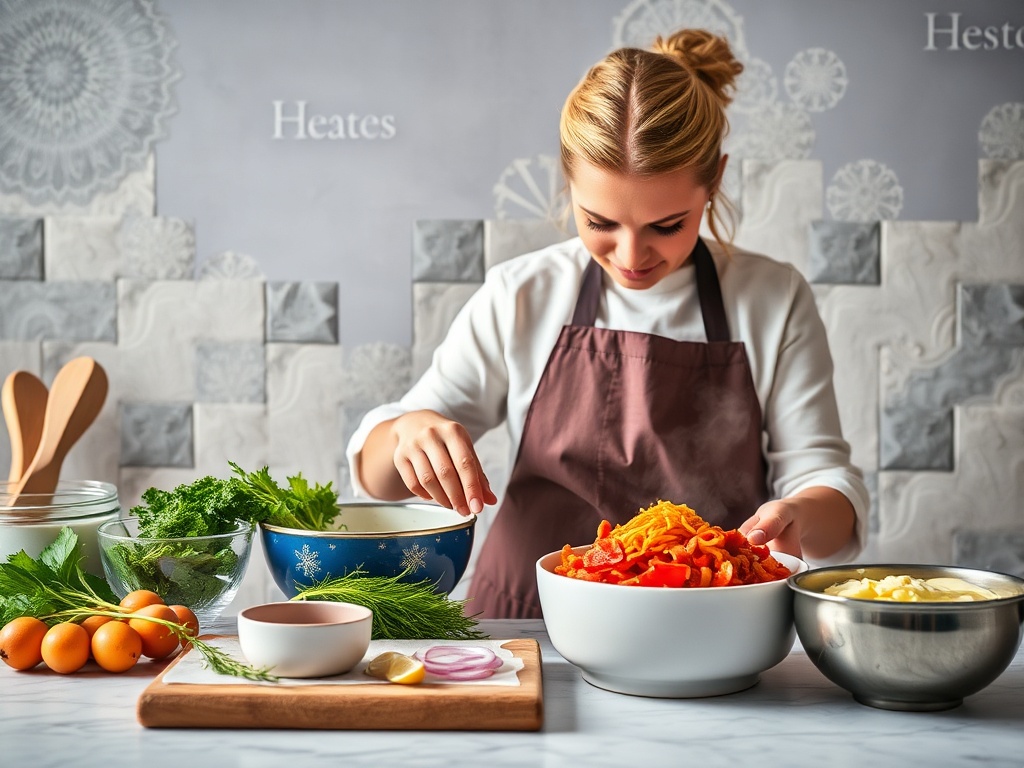
The Perfect Batch Cooking Strategy: Your Ultimate Guide to Smarter Meal Prep
In today's fast-paced world, finding time for wholesome, home-cooked meals can feel like an impossible task. This is where batch cooking emerges as your culinary superhero, transforming weekly meal prep from a chore into a strategic advantage. Imagine reclaiming precious hours, slashing your grocery bill, and consistently enjoying nutritious dishes without the daily scramble. Batch cooking isn't just about cooking in bulk; it's a mindful approach to meal planning that empowers you to eat better, save money, and significantly reduce kitchen stress. Dive into our comprehensive guide to master the art of batch cooking and revolutionize your relationship with food.
Understanding the "Why" and "What" of Batch Cooking
At its core, batch cooking is the practice of preparing large quantities of food at once, typically on a dedicated day, to be consumed over several subsequent days or weeks. It’s more than just doubling a recipe; it’s a strategic allocation of your cooking time to maximize efficiency and nutritional output. The "why" is compelling: it's a powerful antidote to the convenience trap of takeout and processed foods, offering a direct path to healthier eating habits. By dedicating a few hours, you gain back countless minutes during busy weeknights. This approach also fosters significant cost savings by allowing you to buy ingredients in bulk and minimize food waste, ensuring every ingredient serves its purpose. Furthermore, batch cooking provides unparalleled peace of mind, knowing that nourishing meals are readily available, reducing decision fatigue and the temptation to opt for less healthy alternatives. It’s about smart planning, not endless cooking.
Your Pre-Batch Cooking Checklist: Setup for Success
Before you even think about turning on the stove, successful batch cooking hinges on thorough preparation. This foundational step ensures a smooth, efficient cooking session and minimizes the chances of culinary chaos. Begin by auditing your pantry and refrigerator, taking stock of existing ingredients to inspire your meal choices and prevent unnecessary purchases. Next, meticulously plan your meals for the week or even two. Consider variety, nutritional balance, and how ingredients can be cross-utilized across different dishes to maximize efficiency. Once your menu is set, create a detailed grocery list, organizing it by supermarket aisle to streamline your shopping trip. Finally, before the cooking marathon begins, dedicate time to setting up your kitchen. Clear counter space, gather all necessary equipment, and crucially, perform your mise en place – washing, chopping, and measuring all ingredients in advance. This systematic approach transforms a potentially overwhelming task into an enjoyable and productive culinary endeavor.
- Strategic Meal Planning: Carefully select recipes that align with your dietary needs, culinary skills, and the types of meals you want to enjoy throughout the week. Prioritize versatility and consider recipes that share common ingredients or can be easily adapted into different dishes. Don't forget to factor in breakfast, lunch, and dinner, ensuring a balanced and exciting menu.
- Optimized Grocery Shopping: Armed with your detailed meal plan, create a comprehensive grocery list. Focus on buying seasonal produce, bulk staples, and ingredients that will stretch across multiple recipes. Shopping smart means sticking to your list, avoiding impulse buys, and taking advantage of sales to maximize savings.
- Efficient Kitchen Organization: A well-organized kitchen is paramount. Before you start cooking, ensure your counters are clear, your cutting boards are ready, and all necessary pots, pans, and utensils are easily accessible. Group ingredients for each recipe to avoid searching mid-cook, and have storage containers at the ready.
- Thorough Ingredient Prep (Mise en Place): This is arguably the most critical step for a seamless batch cooking experience. Wash, peel, chop, dice, and measure all your vegetables, proteins, and grains before you begin any actual cooking. Having everything prepped and ready to go will dramatically reduce cooking time and make the process far more enjoyable and less stressful.
Master Batch Cooking Techniques: More Than Just Double Batches
True batch cooking mastery extends far beyond simply doubling a single recipe. It involves understanding and applying various techniques to create a diverse and exciting array of meals from a single cooking session. One highly effective method is **component cooking**, where you prepare large quantities of individual building blocks that can be mixed and matched throughout the week. Think roasted vegetables, cooked grains like quinoa or brown rice, and versatile proteins such as shredded chicken or ground turkey. These components can then be assembled into salads, bowls, wraps, or stir-fries. Another powerful strategy is creating **base recipes** – a large batch of a fundamental ingredient that can be transformed into multiple distinct meals. A big pot of marinara sauce, for instance, can become pasta sauce, a base for shakshuka, or a pizza topping. Similarly, a slow-cooked pork shoulder can be used for tacos, sandwiches, or even a hearty stew. For those who prefer a more structured approach, **full meal prep** involves cooking entire dishes and portioning them out into individual containers. This is ideal for grab-and-go lunches or quick dinners. Finally, always consider **freezer-friendly meals**; soups, stews, casseroles, and certain baked goods can be prepared in large quantities and frozen for weeks or months, providing an excellent emergency meal solution. By combining these techniques, you unlock endless possibilities and ensure variety, preventing meal fatigue.
Smart Storage and Reheating for Optimal Freshness
The success of your batch cooking efforts hinges significantly on proper storage and intelligent reheating. Incorrect handling can compromise both food safety and the deliciousness of your carefully prepared meals. Immediately after cooking, allow food to cool completely before transferring it to storage containers to prevent bacterial growth and condensation, which can lead to sogginess. Invest in high-quality, airtight containers, preferably glass, as they are non-reactive, easy to clean, and allow for direct reheating in the microwave or oven. Clearly label and date each container with the dish name and the date it was cooked; this is crucial for tracking freshness and preventing waste. Most cooked foods are safe in the refrigerator for 3-4 days, while freezer-friendly meals can last up to 3 months. When it comes to reheating, choose the method that best suits the dish. Microwaves are quick but can sometimes lead to uneven heating or dryness; adding a splash of water or broth can help maintain moisture. Ovens are excellent for casseroles, roasted vegetables, or anything you want to crisp up, ensuring even heating. Stovetop reheating works well for soups, stews, and stir-fries, allowing you to re-season and adjust textures as needed. Always ensure food reaches an internal temperature of 165°F (74°C) to eliminate harmful bacteria, and avoid reheating food multiple times.
Integrating Batch Cooking into Your Lifestyle: Tips for Consistency and Variety
Making batch cooking a sustainable part of your lifestyle requires more than just a single successful session; it demands consistency, flexibility, and a willingness to adapt. Start small by committing to batch cooking just one or two components or meals each week. This allows you to build confidence and refine your process without feeling overwhelmed. Schedule a dedicated "batch cooking block" into your week, treating it like any other important appointment. Whether it's a Sunday afternoon or a specific evening, having this time earmarked helps solidify the habit. Don't be afraid to involve family members; even young children can help with simple tasks like washing vegetables or stirring, making it a shared activity. Embrace variety by rotating your recipes, exploring seasonal ingredients, and trying new cuisines. This prevents meal fatigue and keeps your palate excited. Maintain a well-stocked pantry of staples like grains, spices, and canned goods, which makes impromptu batch cooking easier. Learn to repurpose leftovers creatively – yesterday's roasted chicken can become today's chicken salad or a filling for quesadillas. Finally, be patient with yourself. Not every batch cooking session will be perfect, and that's okay. Learn from what works and what doesn't, adjust your strategies, and celebrate the small victories. Consistency, not perfection, is the key to long-term success and enjoying the myriad benefits of a well-prepped kitchen.
Conclusion
Embracing a perfect batch cooking strategy is a game-changer for anyone seeking a more organized, healthier, and less stressful approach to daily meals. By dedicating a focused block of time to planning, prepping, and cooking, you unlock the power to reclaim your evenings, save significant money, and consistently nourish your body with wholesome, homemade food. From understanding the core benefits to mastering efficient techniques, smart storage, and seamless integration into your lifestyle, every step contributes to a more harmonious kitchen and a more balanced life. It's an investment in your well-being that pays dividends daily. Take the leap, start small, and watch as batch cooking transforms your culinary world. What are your favorite batch cooking tips or go-to recipes? Share your experiences in the comments below, and explore Daily Dish for more delicious inspiration!
[Master batch cooking with Daily Dish's ultimate guide! Save time, money, and eat healthier with smart meal prep strategies and tips.]
Aucun commentaire:
Enregistrer un commentaire