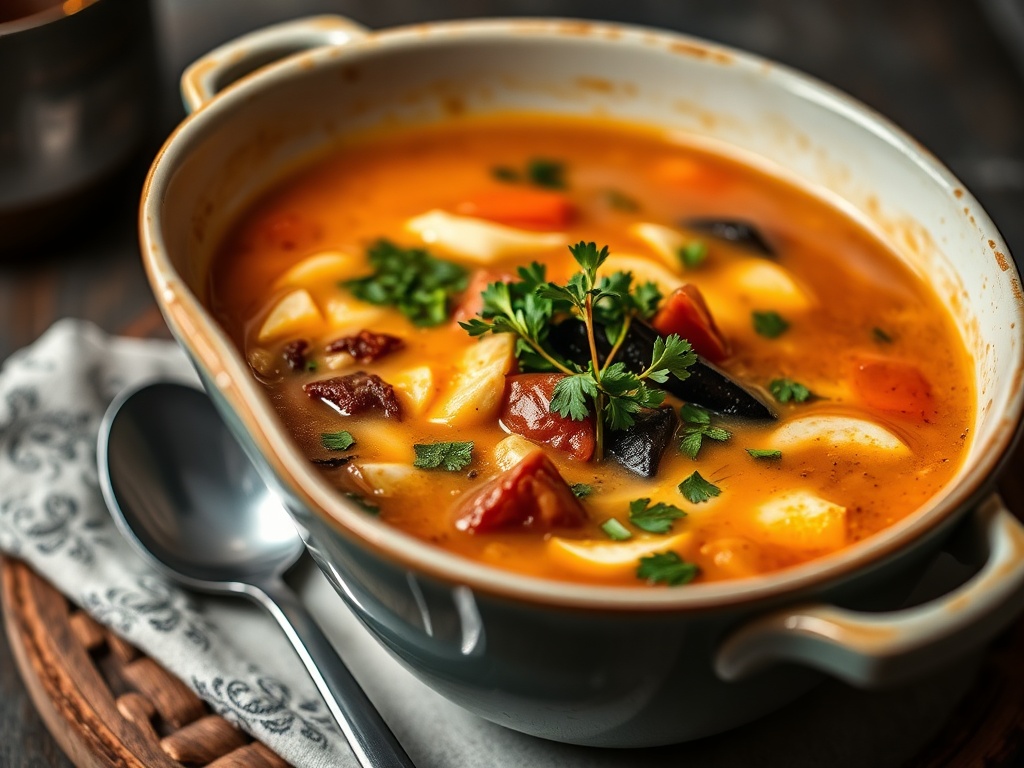
The Art of Soup and Stew Mastery: Crafting Comfort in Every Bowl
There's an undeniable magic in a steaming bowl of soup or a hearty stew. More than just a meal, these dishes represent warmth, comfort, and the very essence of home cooking. From ancient cauldrons bubbling over open fires to modern slow cookers simmering gently on kitchen counters, soups and stews have nourished humanity for millennia. They are a testament to culinary resourcefulness, transforming simple ingredients into complex, satisfying flavors. Mastering the art of soup and stew isn't just about following a recipe; it's about understanding the foundational principles that turn humble components into culinary masterpieces. Join us on a journey to unlock the secrets behind truly exceptional soups and stews, elevating your cooking from good to gourmet.
The Foundation: Building Flavor from Scratch
The true heart of any exquisite soup or stew lies in its foundational flavors, built patiently and purposefully from the very first sizzle in the pot. This initial stage is where complexity and depth begin to develop, setting the stage for the entire dish. It all starts with aromatics – the unsung heroes of countless recipes. Think of the classic French mirepoix (onions, carrots, celery), the Italian soffritto (often adding garlic and sometimes bell peppers), or the Cajun "holy trinity" (onions, celery, green bell peppers). Sautéing these diced vegetables gently in a good quality fat, such as olive oil, butter, or even rendered bacon fat, allows their natural sugars to caramelize and their essential oils to release, creating a fragrant base that permeates every spoonful. This process is about coaxing out their sweetness and savory notes, not just cooking them until soft.
Beyond aromatics, the Maillard reaction is your best friend when incorporating proteins. Browning meats like beef, lamb, or chicken pieces until they develop a rich, deep crust isn't merely for aesthetics; it creates hundreds of new flavor compounds that are impossible to achieve otherwise. This chemical reaction adds incredible depth, umami, and a savory richness that will transform your stew from merely good to truly unforgettable. Once the meat is browned and removed, the flavorful bits stuck to the bottom of the pot – known as "fond" – are priceless. Deglazing the pan with a splash of wine, stock, or even water, scraping up these caramelized fragments, incorporates their intense flavor back into your dish, ensuring no deliciousness is left behind. This careful layering of flavors from the very beginning is what separates a truly masterful soup or stew from a merely adequate one, providing a robust backbone that supports every subsequent ingredient.
Broth and Stock: The Soul of Your Pot
At the core of every remarkable soup or stew lies its liquid foundation: the broth or stock. Often used interchangeably, these two have distinct characteristics that profoundly impact the final dish. Stock, typically made from roasted bones (beef, chicken, fish) simmered with aromatics for many hours, is rich in gelatin, lending a luscious mouthfeel and body. It's the culinary architect's secret weapon, providing a robust, savory backdrop without overpowering other ingredients. Broth, on the other hand, is usually made from simmering meat, vegetables, or a combination, often for a shorter period, resulting in a lighter, more delicate flavor profile that can be enjoyed on its own. While store-bought options offer convenience, nothing compares to the depth, purity, and nutritional superiority of homemade broth or stock.
Crafting your own stock is a transformative experience, allowing you to control sodium levels and avoid artificial additives. For a rich bone stock, roasting the bones first deepens their flavor. Combine them with a generous mirepoix, bay leaves, peppercorns, and cold water, then bring to a gentle simmer. The key is patience; a low, slow simmer for several hours (4-6 for chicken, 8-12 for beef) extracts maximum flavor and gelatin. Skim any foam that rises to the surface during the initial stages to ensure a clear, clean-tasting stock. This homemade liquid gold will elevate any soup, stew, or sauce it touches, providing an unparalleled base that is both nourishing and incredibly flavorful. Once you've experienced the difference, you'll find it hard to go back to store-bought alternatives, as the soul it imparts to your cooking is simply irreplaceable.
- Bone Broth Benefits: Rich in collagen, gelatin, and amino acids, bone broth is lauded for its potential to support gut health, joint function, and skin elasticity, making it a nutritious powerhouse.
- Vegetable Stock Versatility: An excellent choice for vegetarian and vegan dishes, homemade vegetable stock offers a clean, vibrant flavor base without any animal products, perfect for lighter soups or risottos.
- Simmering Techniques: Always maintain a gentle simmer, never a rolling boil, which can emulsify fats, make the stock cloudy, and extract bitter flavors from the bones and vegetables.
- Storing Homemade Stock: Once cooled, portion your stock into freezer-safe containers or ice cube trays. It keeps well in the refrigerator for up to 5 days and in the freezer for several months, ready for your next culinary creation.
Thickening Techniques: Achieving the Perfect Consistency
The consistency of a soup or stew is as crucial as its flavor, contributing significantly to its overall appeal and mouthfeel. Achieving that perfect, velvety texture, whether it's a hearty stew that clings to a spoon or a silky, smooth soup, requires understanding various thickening techniques. One of the most classic and versatile methods is the roux, a cooked mixture of equal parts fat (butter, oil, or rendered drippings) and flour. The longer a roux is cooked, the darker it becomes, developing a nuttier flavor while losing some of its thickening power. A white roux is ideal for creamy soups like béchamel-based dishes, a blonde roux for gravies, and a darker brown roux for gumbos, providing a deep, rich flavor and color. Adding hot liquid to a cold roux, or vice versa, while whisking vigorously, prevents lumps.
For a lighter, often gluten-free option, a slurry is an excellent choice. This involves whisking a small amount of cornstarch or arrowroot powder with an equal amount of cold liquid (water or stock) until smooth, then slowly whisking it into your simmering soup or stew towards the end of cooking. Slurries thicken quickly and provide a clear, glossy finish, making them perfect for Asian-inspired broths or fruit sauces. Another natural and highly flavorful way to thicken is by pureeing. Vegetables like potatoes, squash, carrots, or beans, when cooked until tender and then blended, add body and richness without the need for added flour or starch. This method also enhances the nutritional value and flavor profile of your dish. For a more intensive thickening, reduction involves simply simmering your liquid until it evaporates and concentrates, naturally intensifying flavors and thickening the consistency. Finally, a beurre manié – kneaded butter and flour – can be whisked into simmering liquids at the end for a quick, lump-free thickening, often used for pan sauces or last-minute adjustments. Mastering these techniques allows you to control the texture and body of your creations, ensuring every spoonful is exactly as intended.
The Ingredient Dance: Balance and Harmony
Beyond the foundational liquid and thickening agents, the true artistry in soup and stew mastery lies in the harmonious interplay of ingredients. Each component plays a vital role, contributing not only flavor but also texture, color, and nutritional value. The choice of protein is paramount and should align with the desired cooking time and flavor profile. Hearty cuts of beef like chuck or short ribs are perfect for long, slow-cooked stews, becoming incredibly tender and flavorful. Chicken thighs offer rich flavor and hold up well to simmering, while delicate fish or seafood should be added towards the end to prevent overcooking. For vegetarian options, lentils, chickpeas, or substantial mushrooms can provide satisfying body and protein.
Vegetables are the vibrant soul of any soup or stew, offering a kaleidoscope of colors, textures, and nutrients. Root vegetables such as carrots, potatoes, parsnips, and turnips provide earthy sweetness and absorb flavors beautifully during longer cooking times. Leafy greens like kale or spinach should be added closer to the end to maintain their texture and bright color. Consider textural contrast: chunky vegetables for a rustic stew, finely diced for a smoother soup. Grains and starches, including rice, pasta, barley, or even crusty bread, add substance and absorb the flavorful broth, turning a simple liquid into a more substantial meal. Adding these at the right time is crucial; pasta, for example, can become mushy if cooked too long in the pot.
Herbs and spices are the flavor architects, capable of transforming a bland dish into an aromatic symphony. Dried herbs like bay leaves, thyme, and oregano are best added early in the cooking process to allow their flavors to fully infuse. Whole spices, such as star anise or cinnamon sticks, can be toasted before adding to deepen their aroma. Fresh herbs like parsley, cilantro, dill, or chives, on the other hand, should be stirred in just before serving to preserve their vibrant color and delicate fragrance. Finally, don't underestimate the power of acid. A squeeze of lemon juice, a splash of vinegar, or the addition of tomatoes can cut through richness, brighten flavors, and awaken the palate, creating a perfectly balanced and unforgettable culinary experience. The careful selection and timing of these ingredients elevate a dish from mere sustenance to a truly artful creation.
Mastering the Simmer: Patience and Perfection
The journey to soup and stew mastery culminates in the patient art of simmering. This seemingly simple step is where all the individual flavors meld, where tough cuts of meat transform into tender morsels, and where the liquid base absorbs the essence of every ingredient. A true simmer is characterized by gentle bubbles occasionally breaking the surface, not a rolling boil. A high heat can toughen proteins, break down delicate vegetables into mush, and lead to evaporation that concentrates flavors too quickly or results in a cloudy broth. Low and slow is the mantra here, allowing flavors to deepen and intermingle harmoniously over time.
Throughout the simmering process, attention to detail is key. Skimming any foam or impurities that rise to the surface, particularly in the early stages of making stock or cooking meat, ensures a clean, clear, and pure-tasting result. Similarly, gently skimming excess fat, especially from richer stews, can prevent a greasy mouthfeel and allow the true flavors to shine through. Seasoning is another crucial element that unfolds over time. While an initial pinch of salt can draw out flavors from aromatics, the bulk of your seasoning should be done in layers, tasting and adjusting as the soup or stew develops. The liquid will reduce, concentrating salt and spices, so it's always better to under-season and adjust at the end than to over-season early on.
For stews, a resting period after cooking can be transformative. Just like a roasted chicken, allowing a stew to rest off the heat for 10-15 minutes, or even refrigerating it overnight, gives the flavors a chance to fully meld and deepen, and allows the meat to relax and reabsorb its juices, resulting in an even more tender and flavorful experience. Finally, the finishing touches elevate a humble pot to a gourmet delight. A swirl of fresh cream, a sprinkle of vibrant fresh herbs, a dollop of pesto, a generous grating of cheese, or a scattering of homemade croutons not only adds visual appeal but also introduces contrasting textures and bursts of fresh flavor that complete the dish. Mastering the simmer is about understanding patience, observation, and the subtle art of coaxing out the best from your ingredients, transforming them into a comforting masterpiece.
Conclusion
The journey through the art of soup and stew mastery reveals that creating truly exceptional dishes is a blend of foundational techniques, careful ingredient selection, and a generous dollop of patience. From building complex flavors with aromatics and browning, to understanding the nuances of broth and stock, and confidently employing various thickening methods, each step contributes to the symphony of taste and texture in your bowl. Balancing proteins, vegetables, grains, and the strategic use of herbs, spices, and acid ensures a harmonious and satisfying meal. Ultimately, mastering the gentle simmer and applying thoughtful finishing touches transforms simple ingredients into comforting culinary masterpieces that nourish both body and soul. This mastery isn't about rigid adherence to recipes, but rather an understanding of principles that empowers you to experiment, adapt, and create dishes that truly reflect your own culinary signature. Ready to ladle out your own culinary masterpieces? Visit Daily Dish for endless inspiration, detailed recipes, and more expert cooking tips. Your next comforting bowl awaits!

Aucun commentaire:
Enregistrer un commentaire