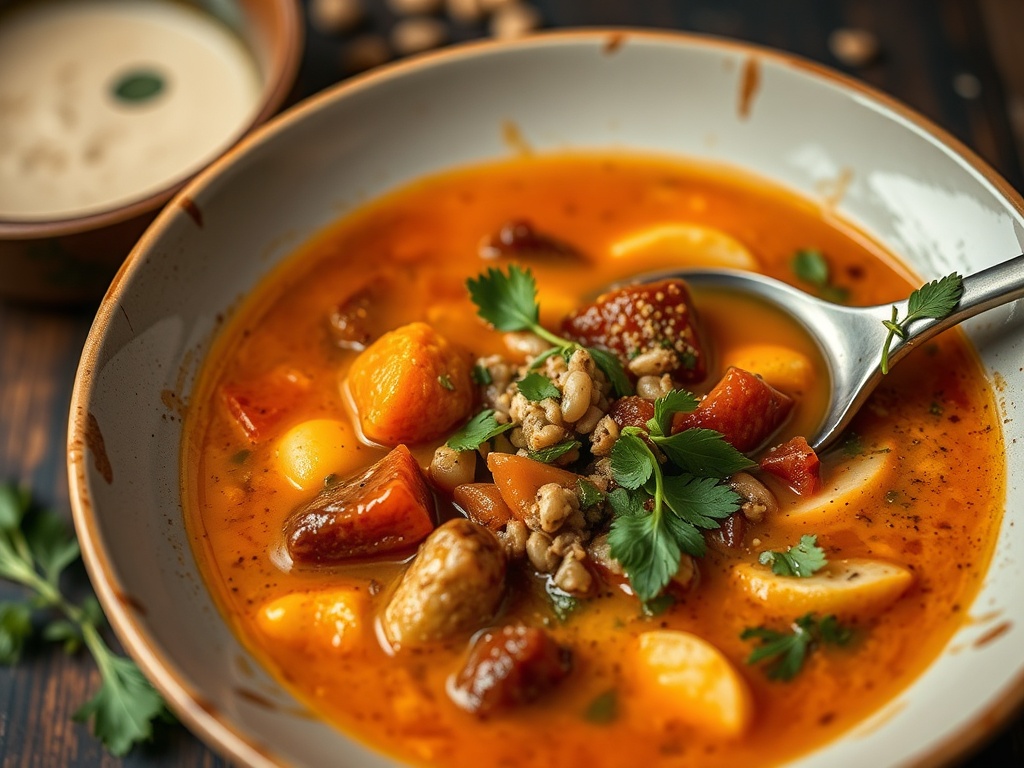
The Art of Soup and Stew Mastery: Crafting Culinary Comfort
There's an undeniable magic in a steaming bowl of homemade soup or a hearty, slow-cooked stew. These culinary staples are more than just meals; they are expressions of comfort, tradition, and profound flavor. From a simple vegetable broth to a rich, complex beef bourguignon, soups and stews have graced tables across cultures for centuries, offering warmth, nourishment, and a sense of well-being. Mastering the art of these dishes is a rewarding journey that elevates your cooking skills and deepens your appreciation for wholesome, delicious food. Join us at Daily Dish as we uncover the secrets to transforming humble ingredients into extraordinary bowls of delight, guiding you through every essential step to becoming a true soup and stew maestro.
The Foundation: Building a Flavorful Broth from Scratch
The soul of any exceptional soup or stew lies in its broth. While store-bought options offer convenience, crafting your own broth from scratch provides unparalleled depth, control over ingredients, and a truly superior flavor profile that simply cannot be replicated. A homemade broth acts as the foundational layer, infusing every subsequent ingredient with richness and character. For a robust chicken broth, simmer roasted chicken bones, mirepoix (onions, carrots, celery), bay leaves, peppercorns, and fresh herbs like parsley and thyme for several hours. Beef broth benefits from bone marrow bones and a longer simmering time, often with a touch of tomato paste for deeper umami. Vegetable broth, a versatile choice for plant-based dishes, relies on a medley of aromatic vegetables, mushrooms, and leafy greens, simmered gently to extract their essences. Always remember to skim any impurities that rise to the surface during the initial stages of simmering to ensure a clear, clean-tasting broth. Once strained, your homemade liquid gold is ready to elevate any recipe, providing a wholesome, preservative-free base that distinguishes a good dish from a truly great one.
Essential Ingredients and Their Crucial Roles
Beyond a stellar broth, the success of your soup or stew hinges on the careful selection and thoughtful integration of its core components. Each ingredient plays a specific role, contributing to the dish's overall flavor, texture, and nutritional value. Vegetables, from root vegetables like potatoes and carrots to leafy greens such as spinach and kale, add essential vitamins, fiber, and varying textures, from tender to slightly firm. Proteins, whether succulent cuts of meat, hearty legumes, or plant-based alternatives like tofu and tempeh, provide satiety and central flavor notes. Starches like pasta, rice, or grains offer substance and help to thicken the broth. Fats, such as olive oil, butter, or rendered animal fat, are crucial for sautéing aromatics, browning meats, and carrying flavors throughout the dish. Understanding how these elements interact is key to creating a harmonious and balanced meal.
- Aromatics: The Flavor Base. Onions, garlic, celery, and carrots form the classic mirepoix, the foundational aromatic blend that kickstarts countless soup and stew recipes. Sautéing them gently coaxes out their sweet and savory compounds, building a rich flavor base before other ingredients are added. Their subtle sweetness and pungent notes are indispensable.
- Herbs & Spices: Layering Complexity. Fresh herbs like parsley, cilantro, thyme, and rosemary add bright, vibrant notes, often best added towards the end of cooking to preserve their delicate flavors. Dried spices, such as cumin, paprika, turmeric, or chili powder, offer deeper, earthier undertones and are typically added earlier, allowing their flavors to bloom in the hot oil or broth. Learning to balance these can transform a simple dish.
- Acids: Brightening and Balancing. A touch of acidity can cut through richness, brighten flavors, and prevent a soup or stew from tasting flat. Ingredients like diced tomatoes, a splash of wine, a dash of vinegar (apple cider, red wine, or balsamic), or a squeeze of fresh lemon juice added at the right moment can awaken the palate and elevate the entire dish, creating a more dynamic and nuanced profile.
- Thickeners: Achieving Desired Consistency. The texture of your soup or stew is paramount. Thickeners like a classic roux (flour cooked in fat), a cornstarch or arrowroot slurry, or even pureed vegetables (potatoes, beans, squash) allow you to achieve the perfect viscosity. For a naturally thicker stew, simply let it simmer longer, reducing the liquid. Mastering these techniques ensures your dish has the ideal body, whether it's a light broth or a robust gravy.
The Art of Layering Flavors for Unforgettable Depth
True mastery in soup and stew creation comes from understanding the art of layering flavors. This isn't just about adding ingredients; it's about adding them at the right time and in the right sequence to build complexity and depth. Begin by browning your meats thoroughly; this caramelization creates rich, savory fond at the bottom of the pot, which will later be deglazed to release intense flavor compounds into your broth. Next, sauté your aromatics until softened and fragrant, allowing their sweetness to develop. This is often followed by the addition of dried spices, toasting them briefly in the hot fat to unlock their full aromatic potential before adding liquids. Deglazing the pot with wine or broth scrapes up those flavorful browned bits, incorporating them into the liquid base. Add liquids gradually, allowing them to reduce slightly to intensify their essence. Heartier, longer-cooking vegetables go in earlier, while more delicate ingredients like leafy greens or quick-cooking pasta are added closer to the end to prevent them from becoming overcooked and mushy. Throughout the cooking process, taste frequently and adjust seasonings, adding salt, pepper, a pinch of sugar, or a splash of acid as needed. This iterative process of tasting and adjusting is what truly transforms a collection of ingredients into a harmonious, deeply flavorful dish.
Soup vs. Stew: Understanding the Differences and Nuances
While often grouped together, soups and stews possess distinct characteristics that define their culinary identity. The primary difference lies in their consistency and the amount of liquid they contain. Soups are generally characterized by a higher liquid-to-solid ratio, resulting in a lighter, more brothy texture. Ingredients in soups tend to be cut into smaller, more uniform pieces, designed to be easily consumed with a spoon in a bowl. Their cooking times can vary widely, from quick-simmering vegetable soups to long-simmered bone broths. Examples include delicate consommés, creamy pureed soups, or chunky minestrone. Stews, on the other hand, are much thicker and heartier, featuring a lower liquid-to-solid ratio. The liquid often transforms into a rich gravy that coats the larger, more substantial pieces of meat and vegetables. Stew ingredients are typically cut into larger chunks, designed to withstand longer cooking times and develop deep, tender textures. Stews are almost always slow-cooked over extended periods, allowing flavors to meld and ingredients to become incredibly tender. They are traditionally served on a plate or in a wide, shallow bowl, often accompanied by bread or rice to soak up the luxurious sauce. Think of classic beef stew, Irish stew, or a robust goulash. Understanding these nuances helps you select the appropriate technique and achieve the desired outcome for your comforting creations.
Mastering Texture and Consistency for the Perfect Bite
Achieving the perfect texture and consistency is paramount to a truly exceptional soup or stew. Beyond flavor, it's the mouthfeel that often defines a dish's appeal. For soups, consistency can range from a clear, delicate broth to a smooth, velvety puree, or a chunky, rustic medley. Stews, by nature, demand a thick, rich sauce that clings to every ingredient. One common challenge is preventing vegetables from becoming mushy. To combat this, add quick-cooking vegetables like spinach, peas, or zucchini towards the very end of the simmering process, allowing them just enough time to cook through while retaining their vibrant color and slight bite. For creamy soups, dairy products like heavy cream, half-and-half, or even coconut milk can be stirred in off the heat to prevent curdling, adding a luxurious mouthfeel. Alternatively, pureeing a portion of the soup with an immersion blender or in batches in a stand blender can naturally thicken and create a smooth texture. For stews, a properly executed roux at the beginning of cooking, or a cornstarch or flour slurry whisked in towards the end, will provide that characteristic hearty thickness. Don't forget the power of reduction; simply simmering your soup or stew for a longer period will naturally thicken it as the liquid evaporates, concentrating flavors and body. A balanced texture profile, combining tender proteins with al dente vegetables and a perfectly viscous broth or gravy, elevates the eating experience from good to extraordinary.
Conclusion
The journey to mastering soups and stews is a deeply rewarding one, transforming simple ingredients into comforting, soul-satisfying meals. From the foundational importance of a homemade broth to the intricate dance of layering flavors, and from understanding the distinct characteristics of soups versus stews to perfecting texture and consistency, each step contributes to culinary excellence. Embrace the process, experiment with different ingredients, and trust your palate to guide you. There's immense joy in creating a dish that warms from the inside out, nourishing both body and spirit. So, gather your ingredients, fire up your stove, and embark on your next culinary adventure. We encourage you to explore the endless possibilities that soups and stews offer, making them a regular, cherished part of your meal planning. Share your favorite creations and tips with the Daily Dish community – we can't wait to see what deliciousness you'll cook up next!

Aucun commentaire:
Enregistrer un commentaire